
Access Denied
IMPORTANT! If you’re a store owner, please make sure you have Customer accounts enabled in your Store Admin, as you have customer based locks set up with EasyLockdown app. Enable Customer Accounts
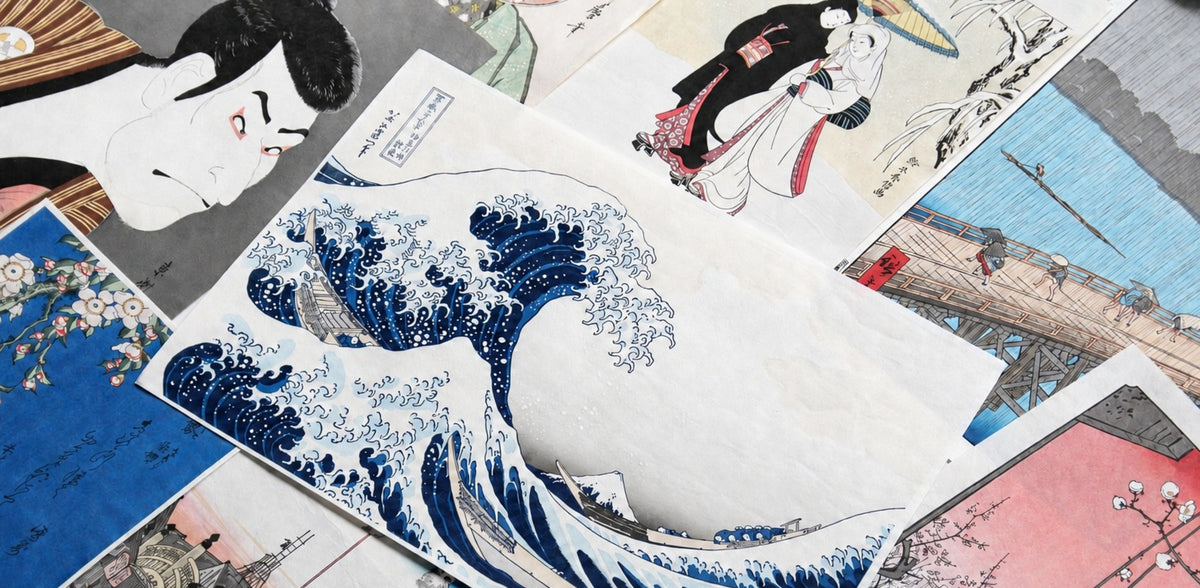
The Ukiyo-e Collection of the British Museum
<p><strong>The British Museum and Ukiyo-e</strong></p>
Founded more than 270 years ago, the British Museum is home to one of the world’s leading collections of Japanese art. Four British collectors active in the 19th century played a major role in building that collection. Chief among their contributions are the approximately 1,850 ukiyo-e prints formerly owned by Arthur Morrison, which the museum acquired in 1906 and which remain a cornerstone of the collection today. That collection now includes numerous masterworks by ukiyo-e artists such as Hokusai, Hiroshige, Utamaro, and Sharaku. More recently, the museum drew wide notice with its purchase of 103 drawings from Hokusai’s Banmotsu ehon daizen zu (Illustrations for the Great Picture Book of Everything), long thought to have been lost. The British Museum shares ukiyo-e and its history with global audiences, while also serving as an important center for research in the field.
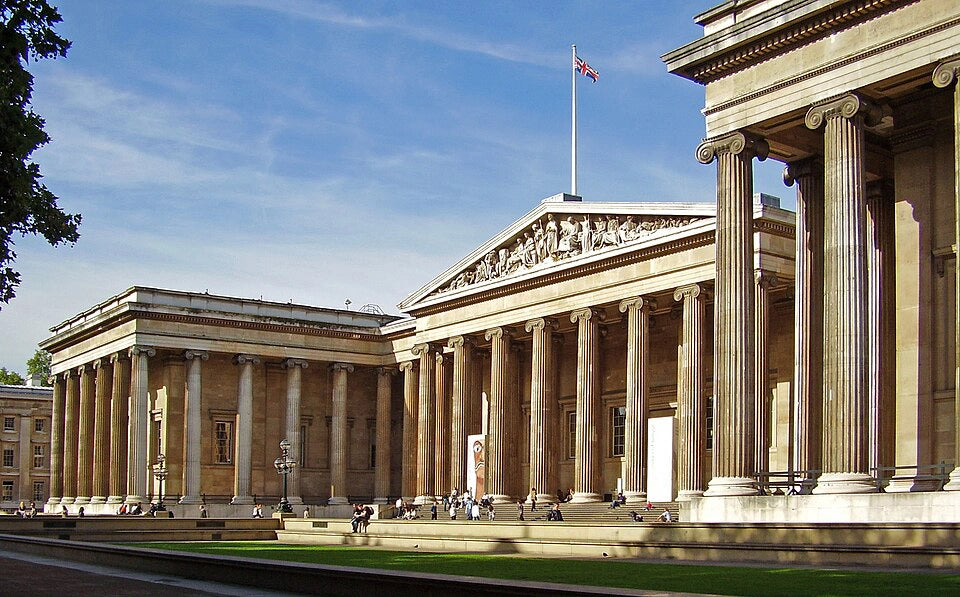

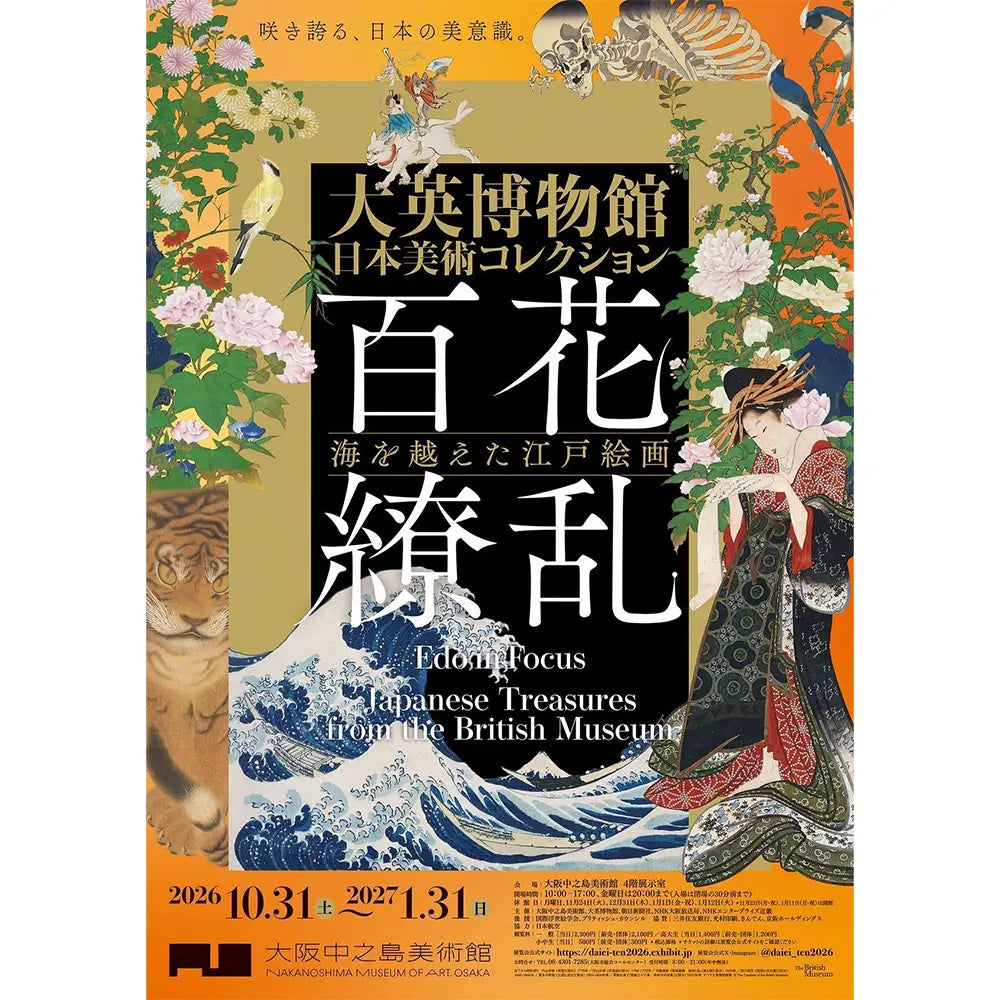
Edo in Focus: Japanese Treasures from the British Museum
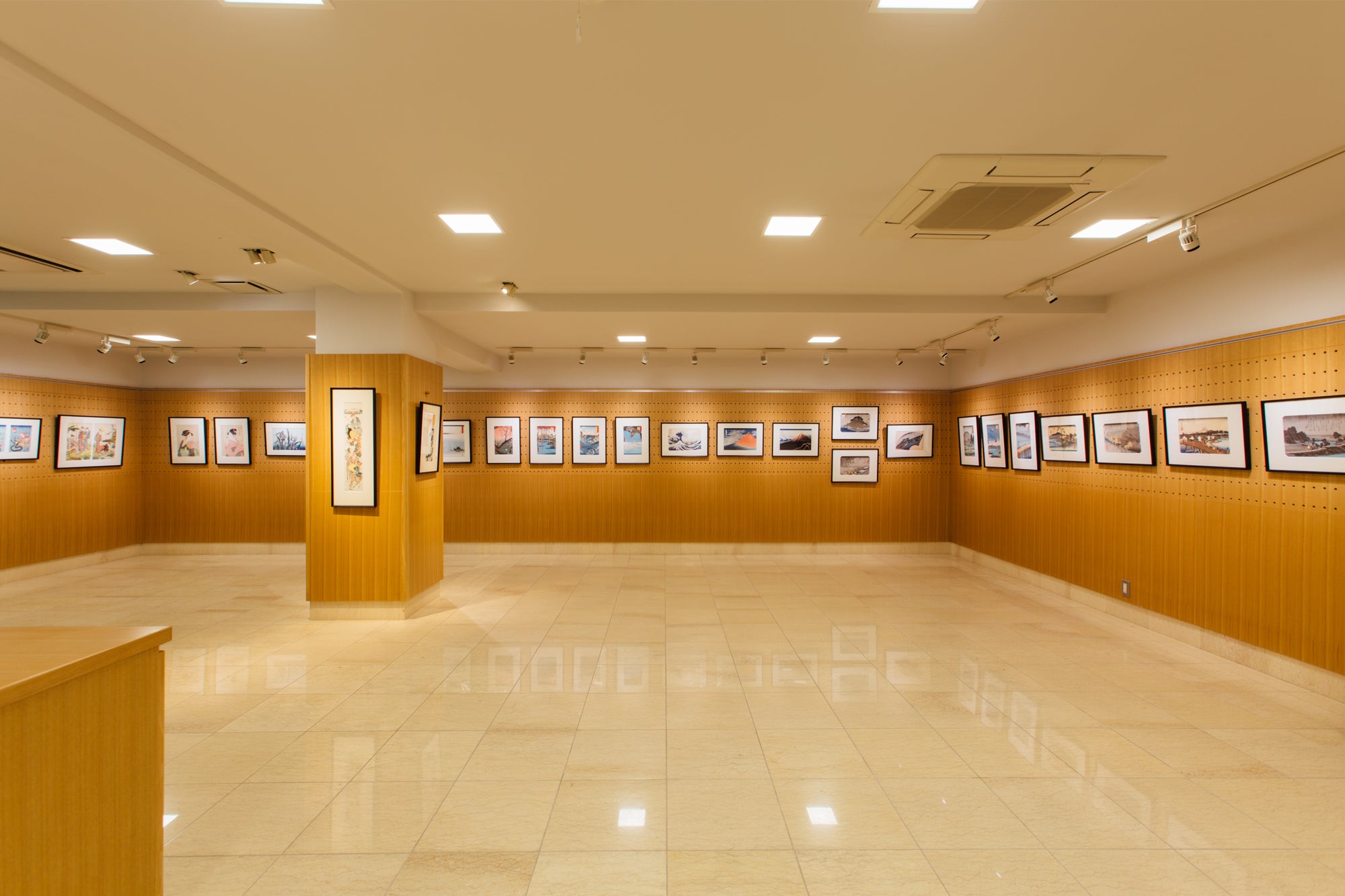
This exhibition presents more than 100 carefully chosen masterworks of ukiyo-e prints from the British Museum’s world-renowned collection of Japanese art, with a particular focus on eight of the best-known ukiyo-e artists.
The exhibition also features rare hand-painted ukiyo-e by Utamaro, Hokusai, Kyosai, and others, among them works returning to Japan for the first time. Alongside folding screens, hanging scrolls, picture scrolls, and other paintings from the Edo period (1603–1868), these convey the full variety and pleasures of Edo painting.
Edo in Focus: Japanese Treasures from the British Museum
Period: October 31 (Sat),2026 – January 31 (Sun), 2027
Venue: Nakanoshima Museum of Art, Osaka
Website: https://daiei-ten2026.exhibit.jp/english.html
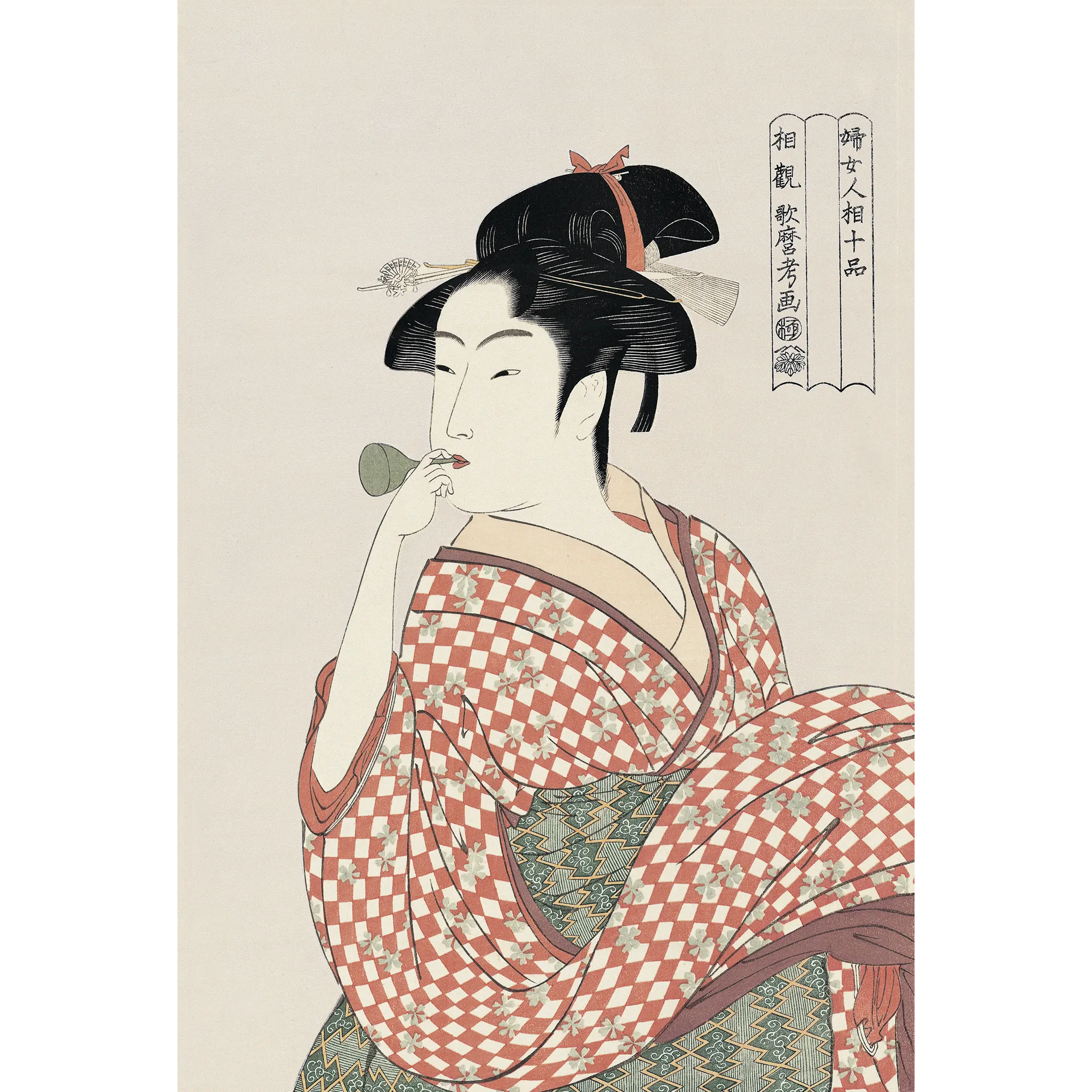
<p>Ukiyo-e Reproductions: Passing Masterworks on to Future Generations</p>
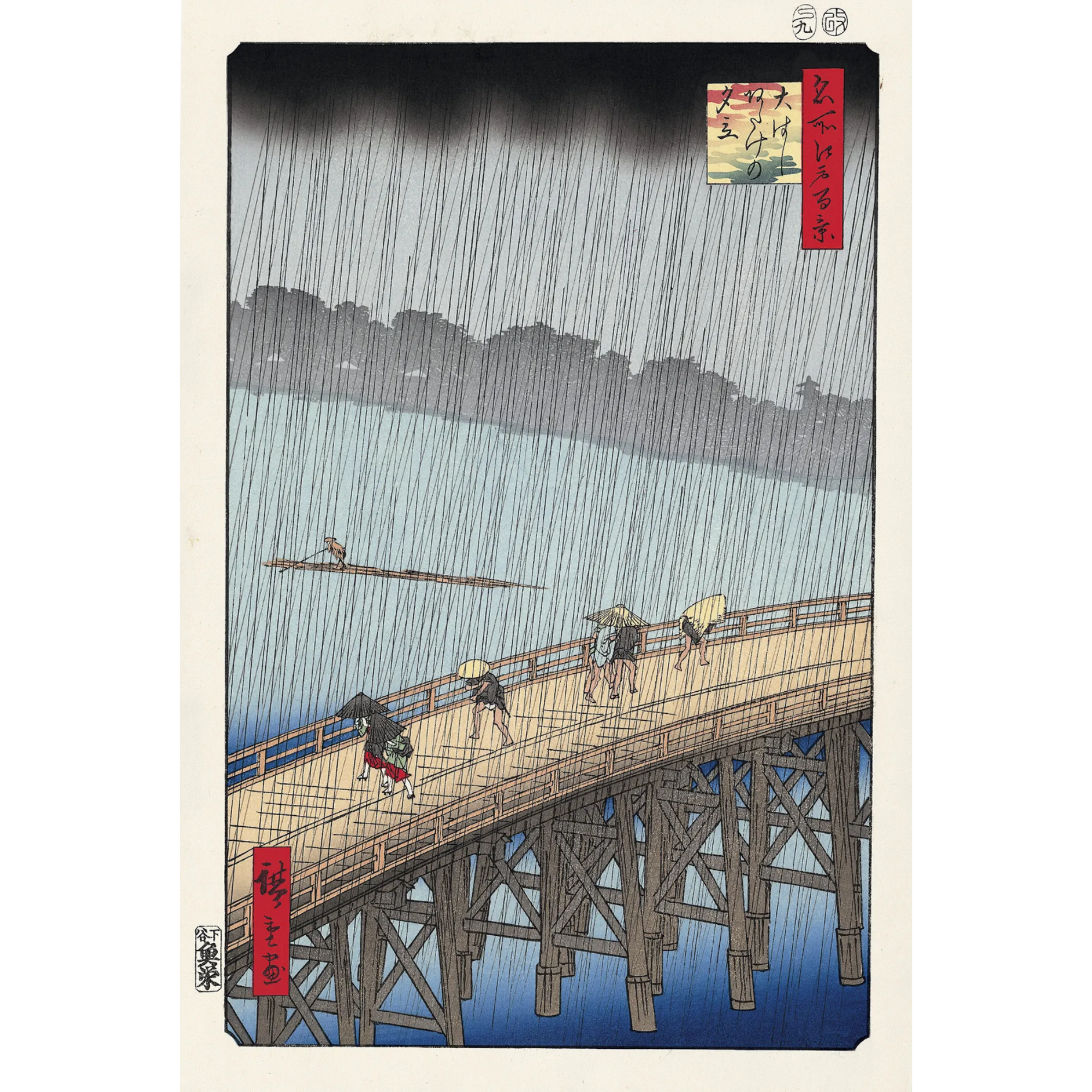
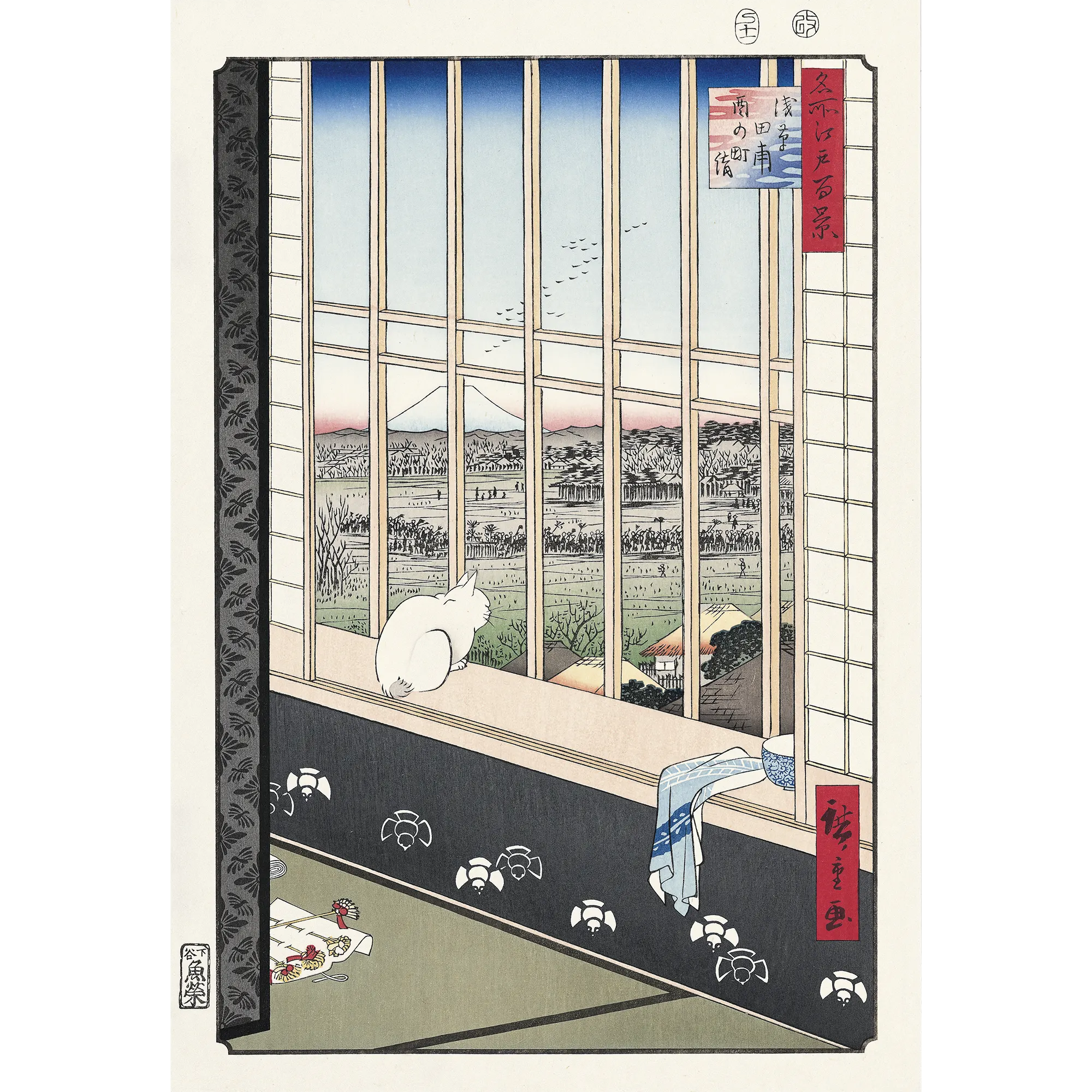
The Adachi Institute of Woodcut Prints creates ukiyo-e reproductions based on outstanding surviving works, using traditional woodcut printmaking techniques handed down since the Edo period (1603–1868).
The Institute examines well-preserved impressions in Japanese and overseas collections, including that of the British Museum. Its master carvers and printers then reproduce each image with the utmost care.
For nearly 100 years, the Adachi Institute of Woodcut Prints has continued this work, with the goal of passing the techniques and beauty of ukiyo-e woodcut printmaking on to future generations.
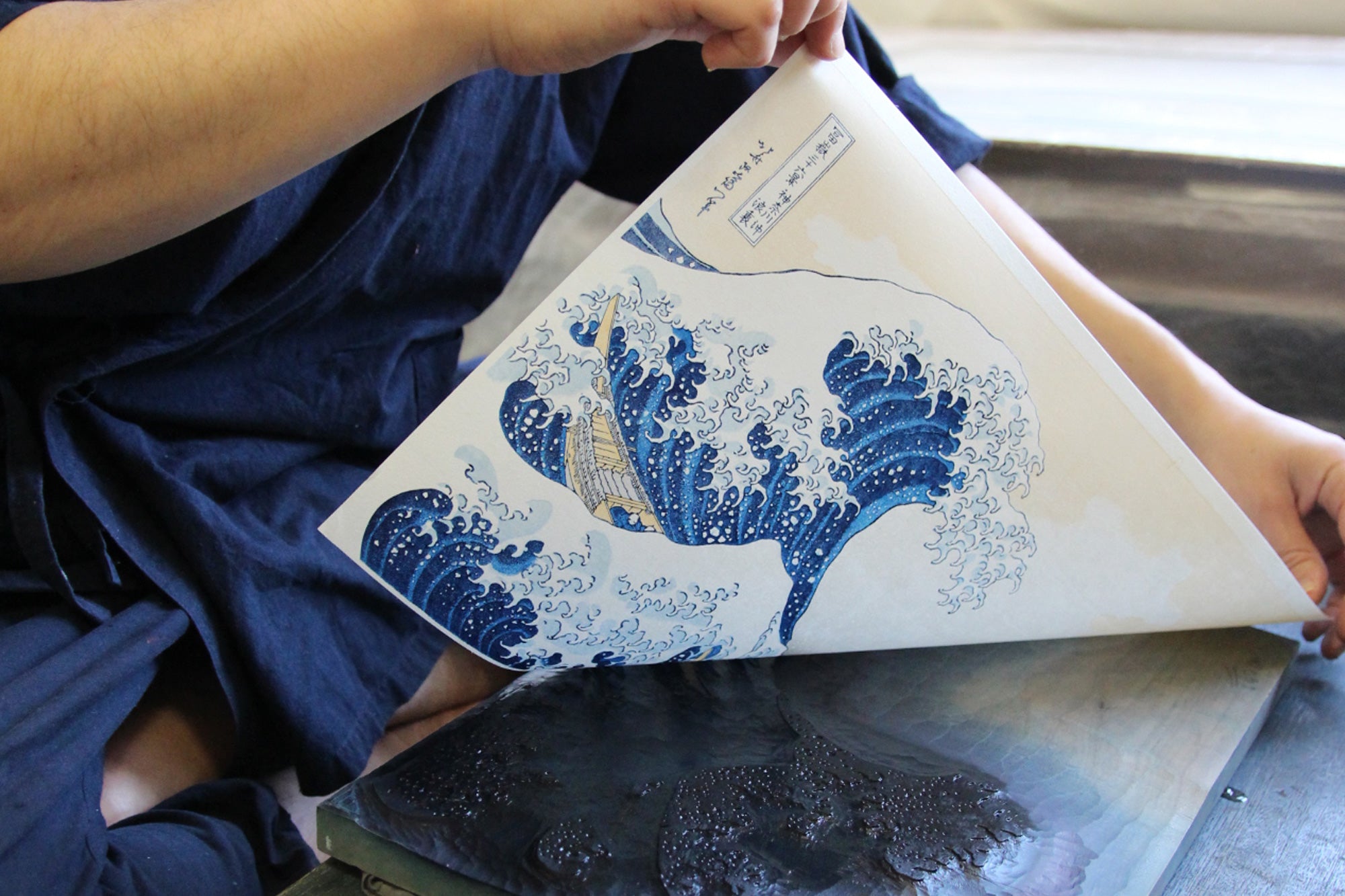
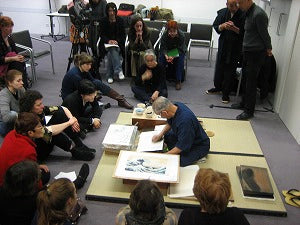
<p>A Printing Demonstration of The Great Wave off Kanagawa at the British Museum</p>
The British Museum collection contains three impressions of Katsushika Hokusai’s The Great Wave off Kanagawa from the series Thirty-six Views of Mount Fuji. In 2008, to mark the acquisition of the third impression, the British Museum invited the Adachi Institute of Woodcut Prints to demonstrate how the print is made. A master printer traveled to the museum and performed the process on site.
The traditional approach of building up the image one color at a time drew keen interest from visitors, and the demonstration offered a valuable opportunity to show Japanese woodcut printmaking techniques to a wide audience. The impression of The Great Wave off Kanagawa produced during the demonstration is now held in the museum’s collection, serving as reference material alongside its three originals.The British Museum collection contains three impressions of Katsushika Hokusai’s The Great Wave off Kanagawa from the series Thirty-six Views of Mount Fuji. In 2008, to mark the acquisition of the third impression, the British Museum invited the Adachi Institute of Woodcut Prints to demonstrate how the print is made. A master printer traveled to the museum and performed the process on site.
The traditional approach of building up the image one color at a time drew keen interest from visitors, and the demonstration offered a valuable opportunity to show Japanese woodcut printmaking techniques to a wide audience. The impression of The Great Wave off Kanagawa produced during the demonstration is now held in the museum’s collection, serving as reference material alongside its three originals.
Exploring the British Museum’s ukiyo-e collection through ukiyo-e reproductions
Recommended Items
Sold out

Save ¥900
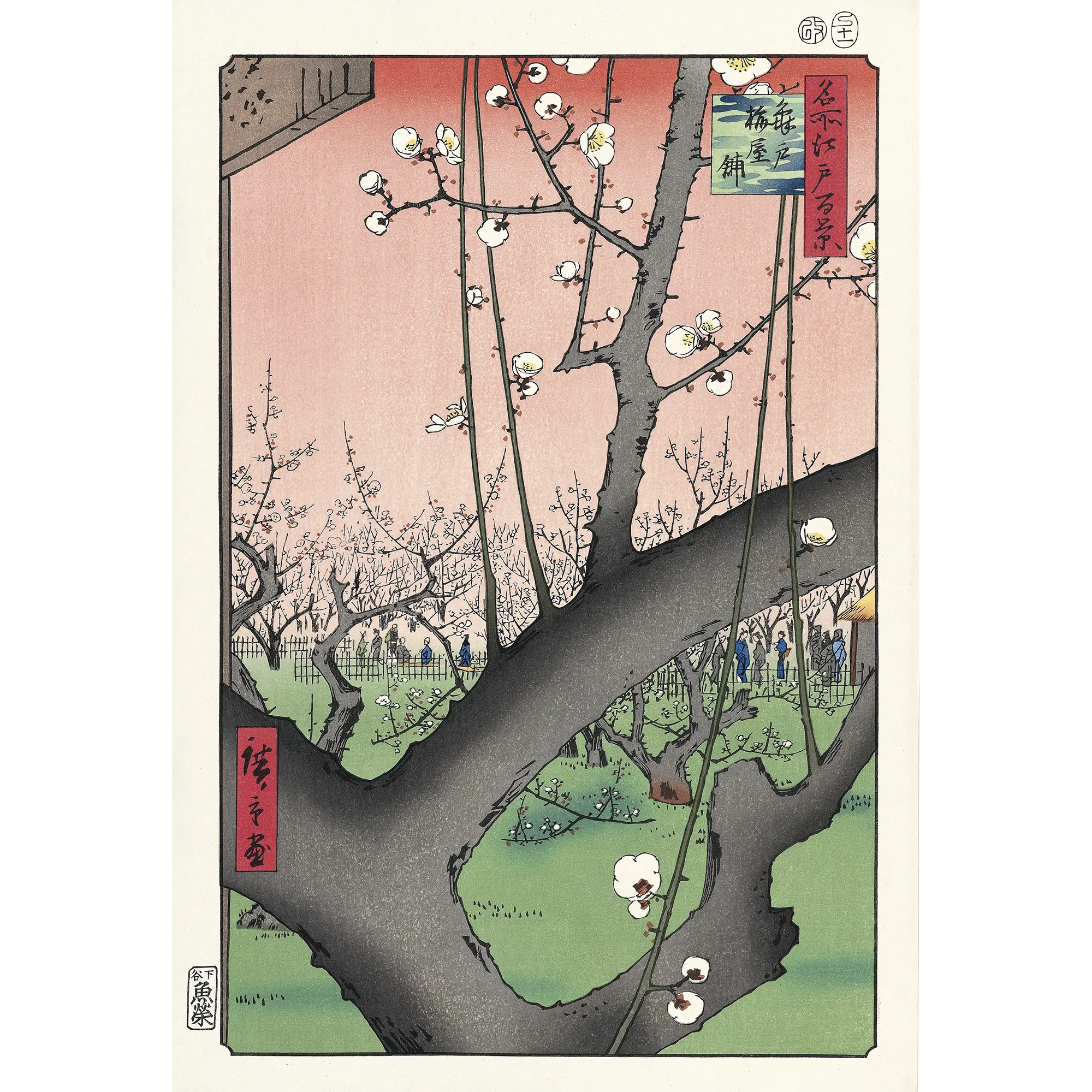
Utagawa Hiroshige(歌川広重)【This item is currently on back order】Plum Garden at Kameido -One Hundred Famous Views of Edo-
Sale price¥17,100
Regular price¥18,000
Invalid password
Enter