
Access Denied
IMPORTANT! If you’re a store owner, please make sure you have Customer accounts enabled in your Store Admin, as you have customer based locks set up with EasyLockdown app. Enable Customer Accounts
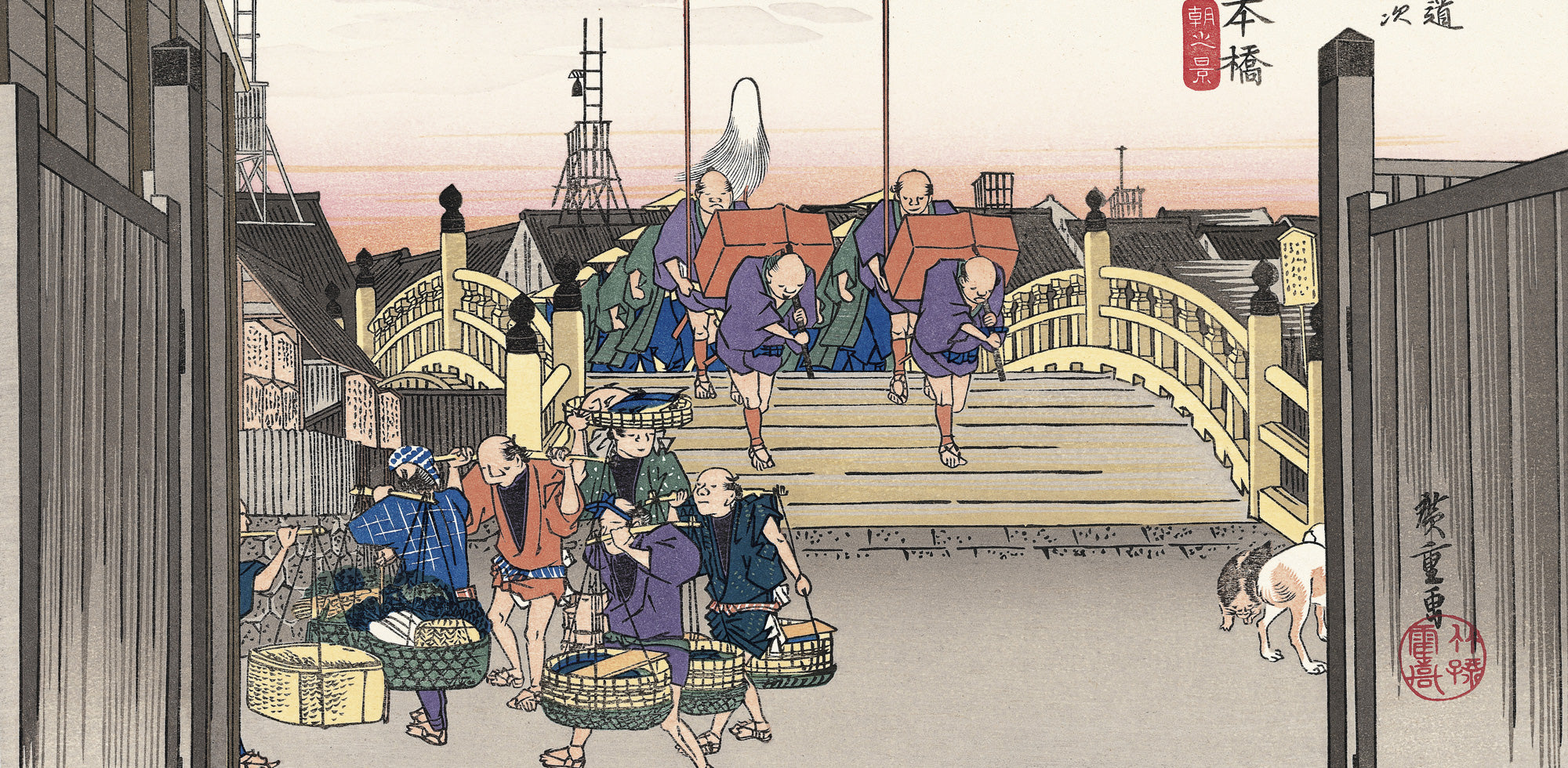
Utagawa Hiroshige

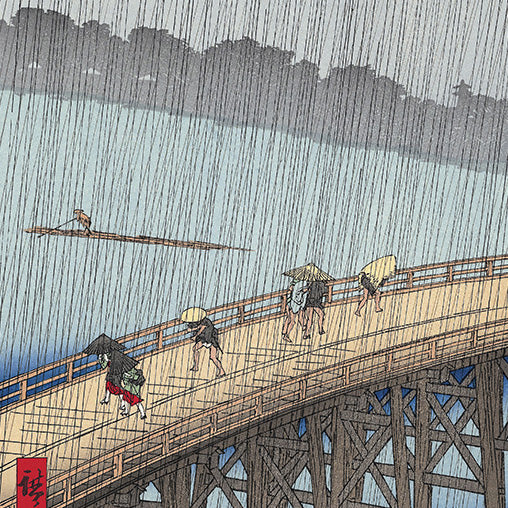
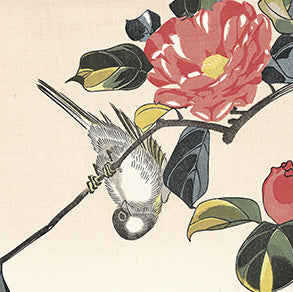
Utagawa Hiroshige (1797-1858)
Hiroshige was born in 1797, the time when Ukiyo-e was at the height of popularity. He was good at painting since his childhood. At fifteen, through introduction of a certain book dealer, he became a pupil of Utagawa Toyohiro, and was given the artist name Utagawa Hiroshige the following year. The essential characteristic of Hiroshige’s art lies in its poetic atmosphere, which in fact is the characteristic of the Japanese heart. When this lyricism is given free play, there is beautiful music in the picture.
Hiroshige’s Global Appeal: The Origins of Japonisme
Hiroshige was born in 1797 in the Yayosu-gashi area of Edo (present-day Tokyo), the son of Ando Genemon, a low-ranking samurai responsible for firefighting and keeping order during fires. Fond of drawing and painting from childhood, he became a pupil of Utagawa Toyohiro at age 15. He first depicted beauties and actors of Edo, but later turned to landscapes, beginning with the series Famous Places in Edo. He went on to produce views of places throughout Japan and gained widespread popularity.
Released by the publisher Hoeido during the Tenpo era (1830–1844), Hiroshige’s 55-print series Fifty-three Stations of the Tokaido Road was a huge success, and he went on to produce numerous other views of the Tokaido Road connecting Edo and Kyoto.
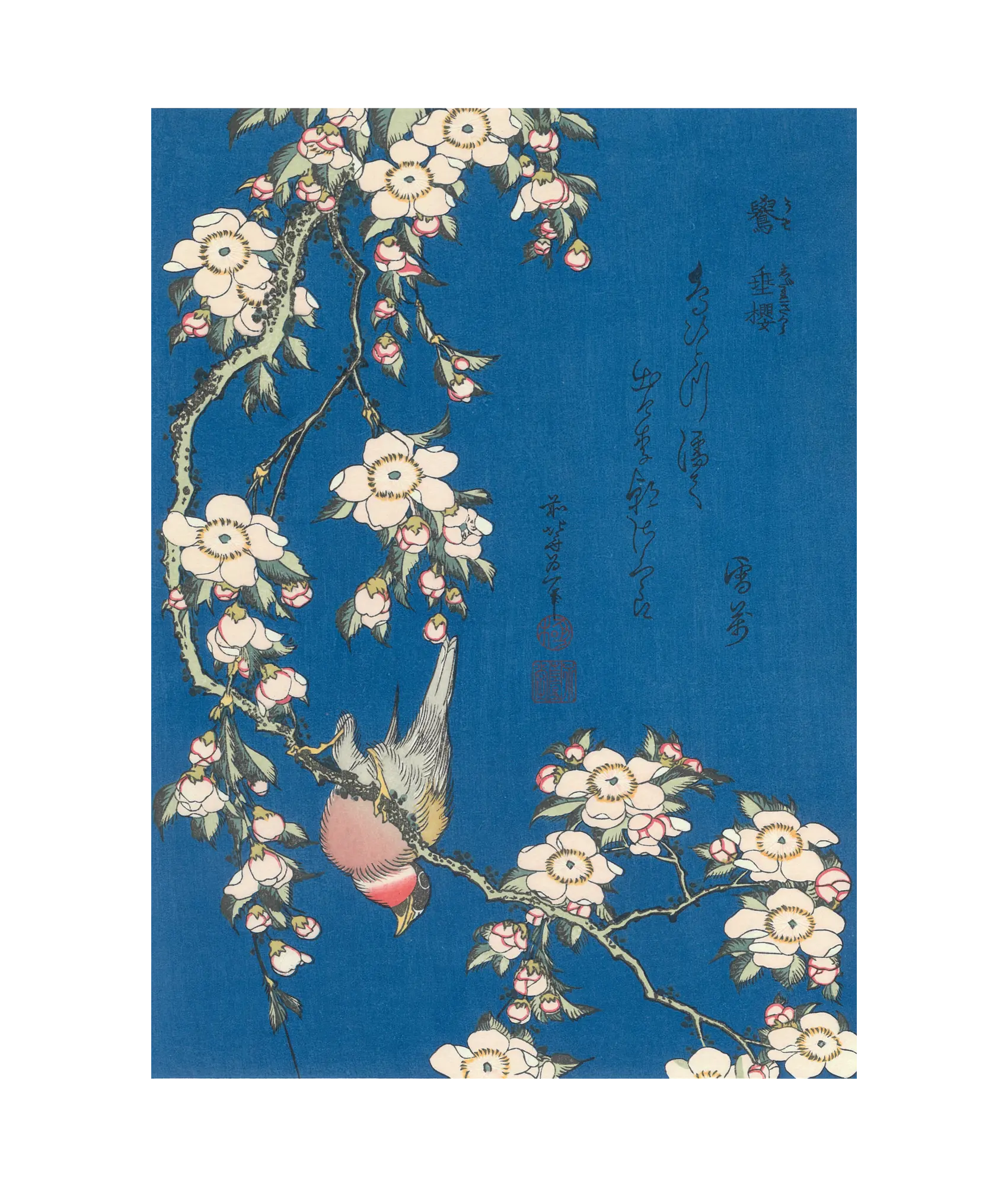
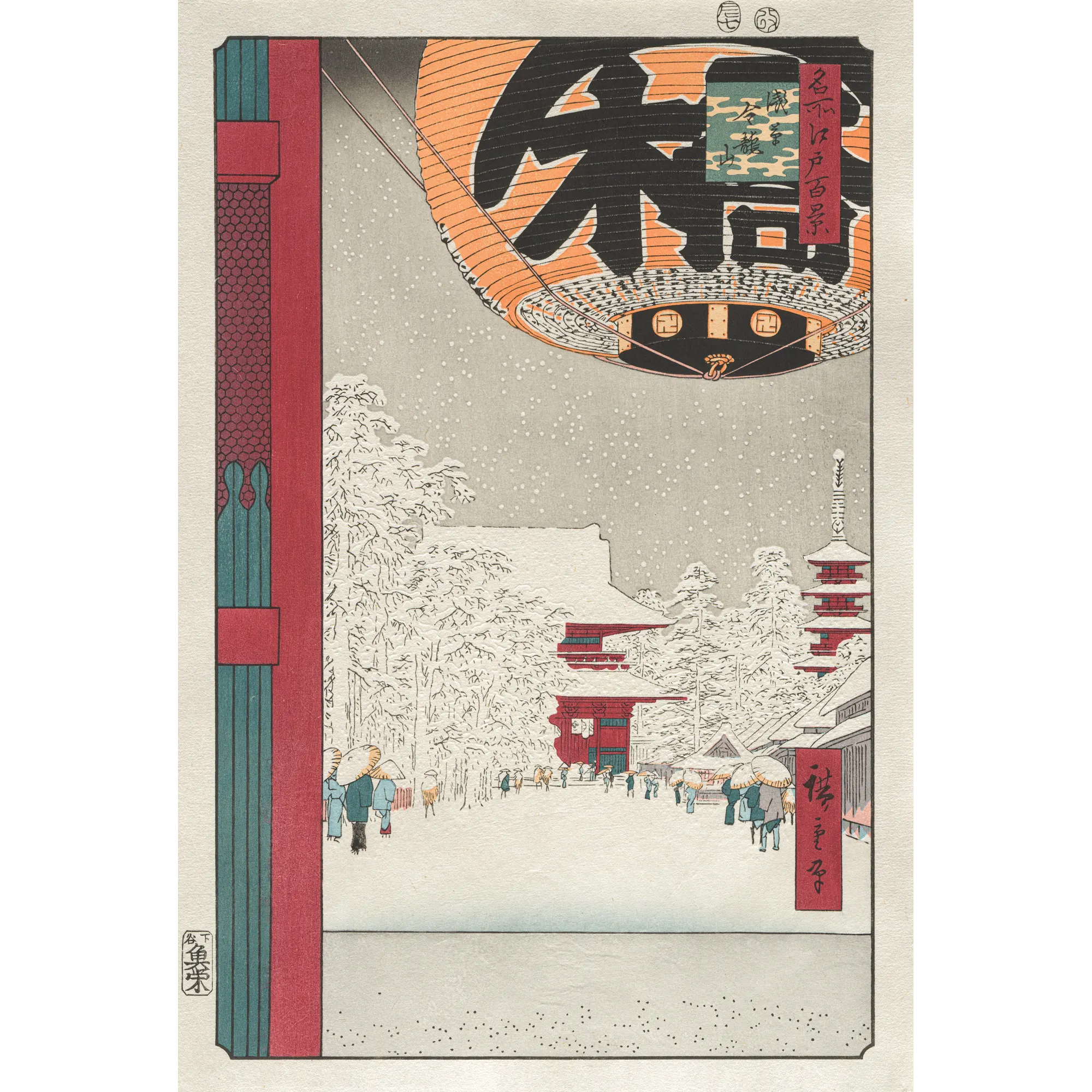
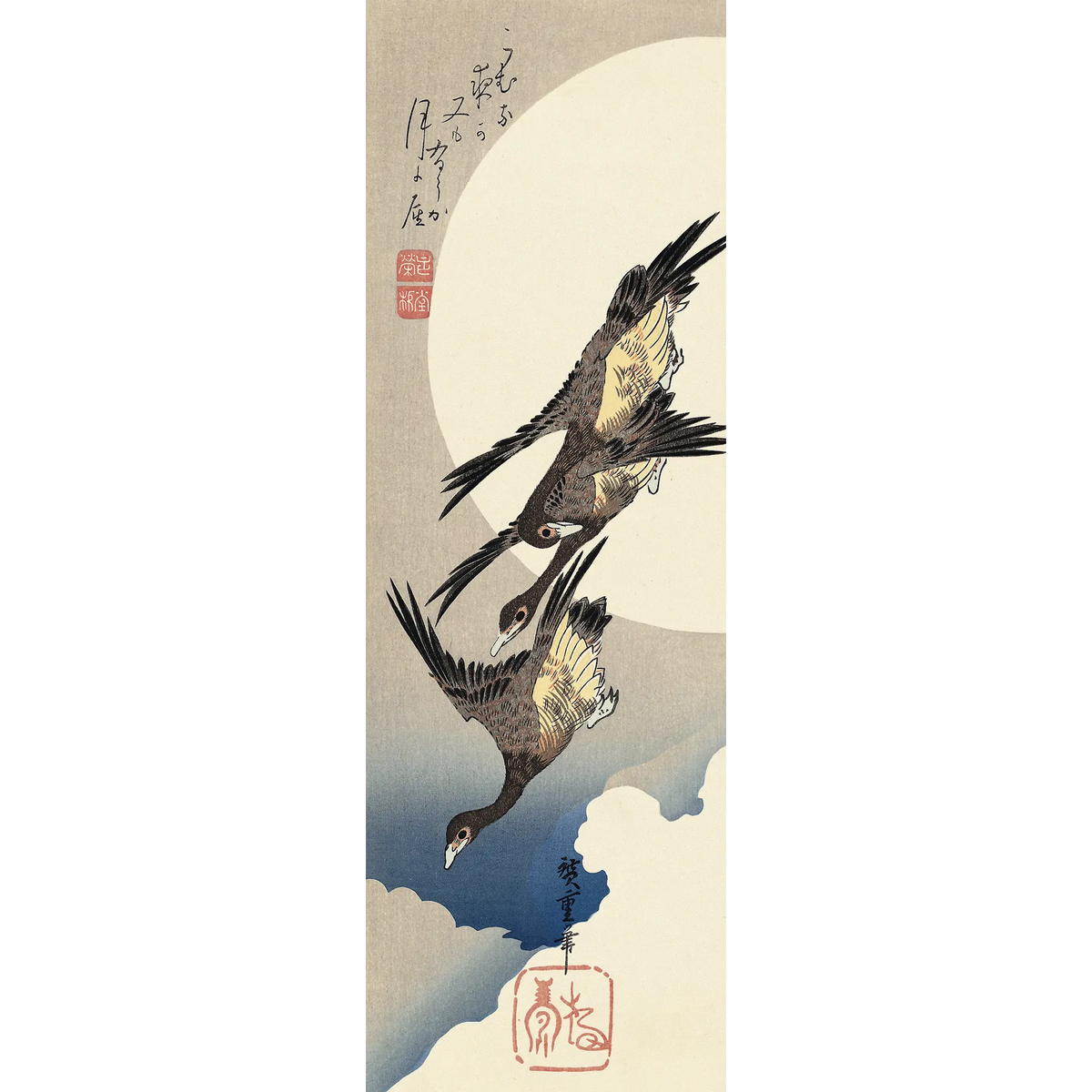
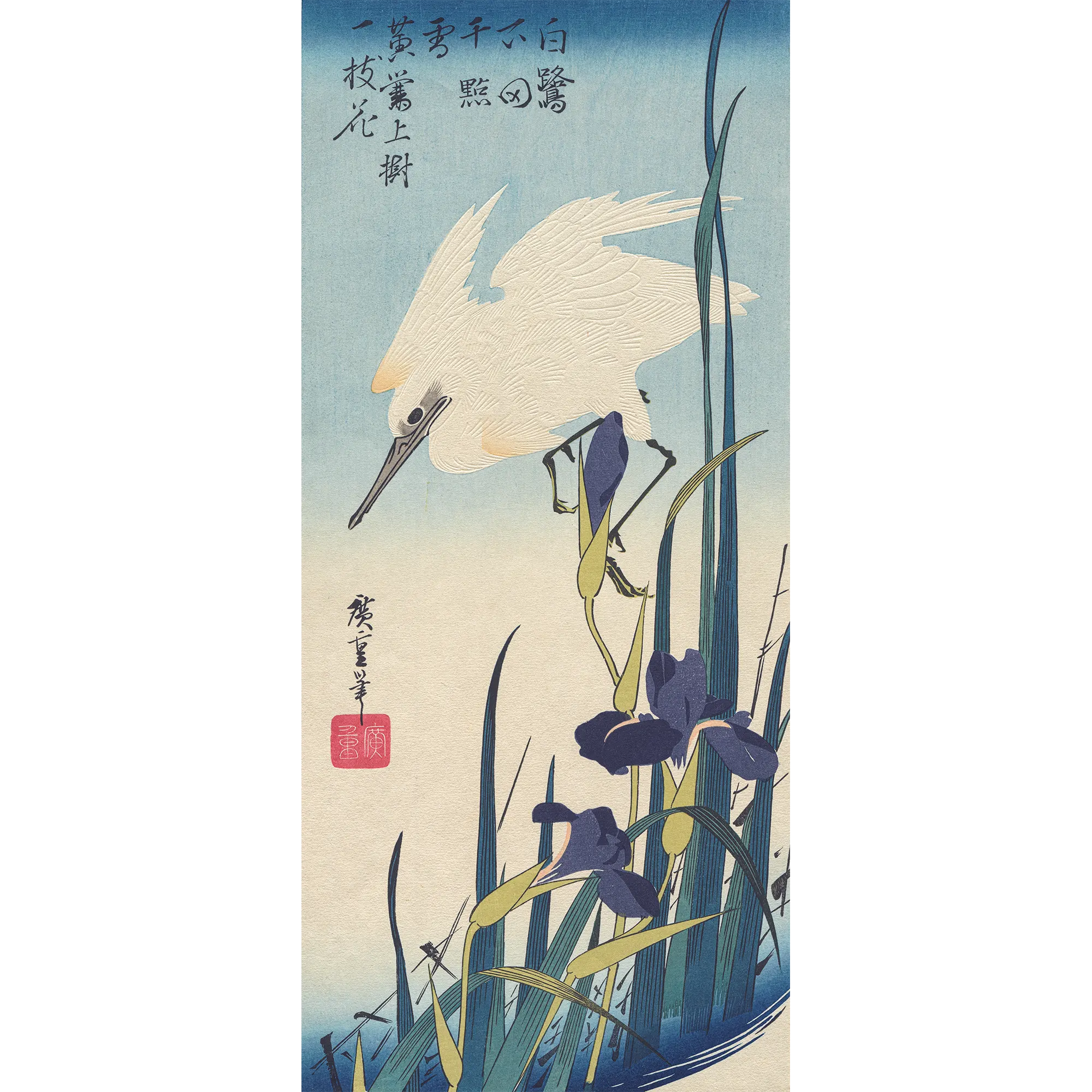
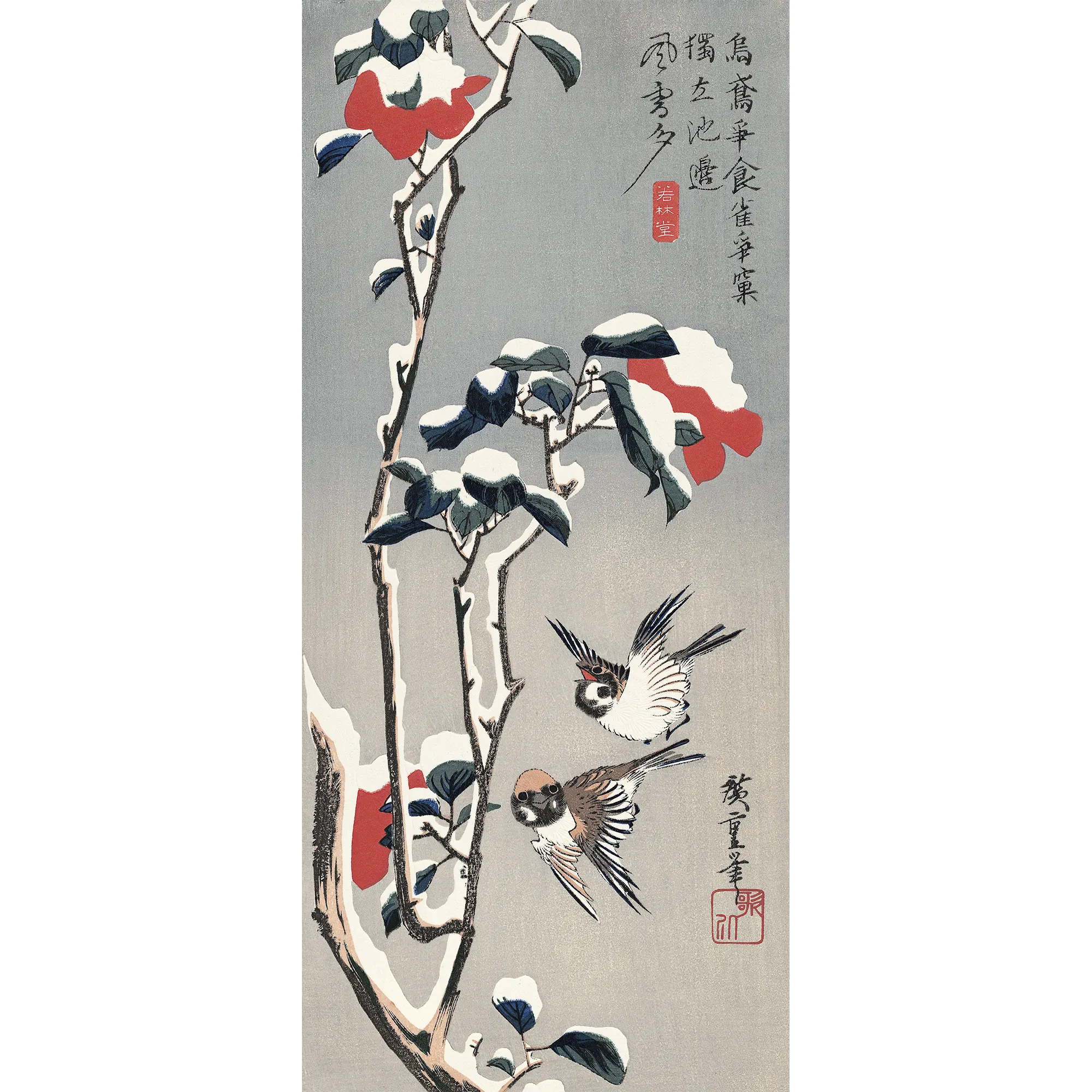
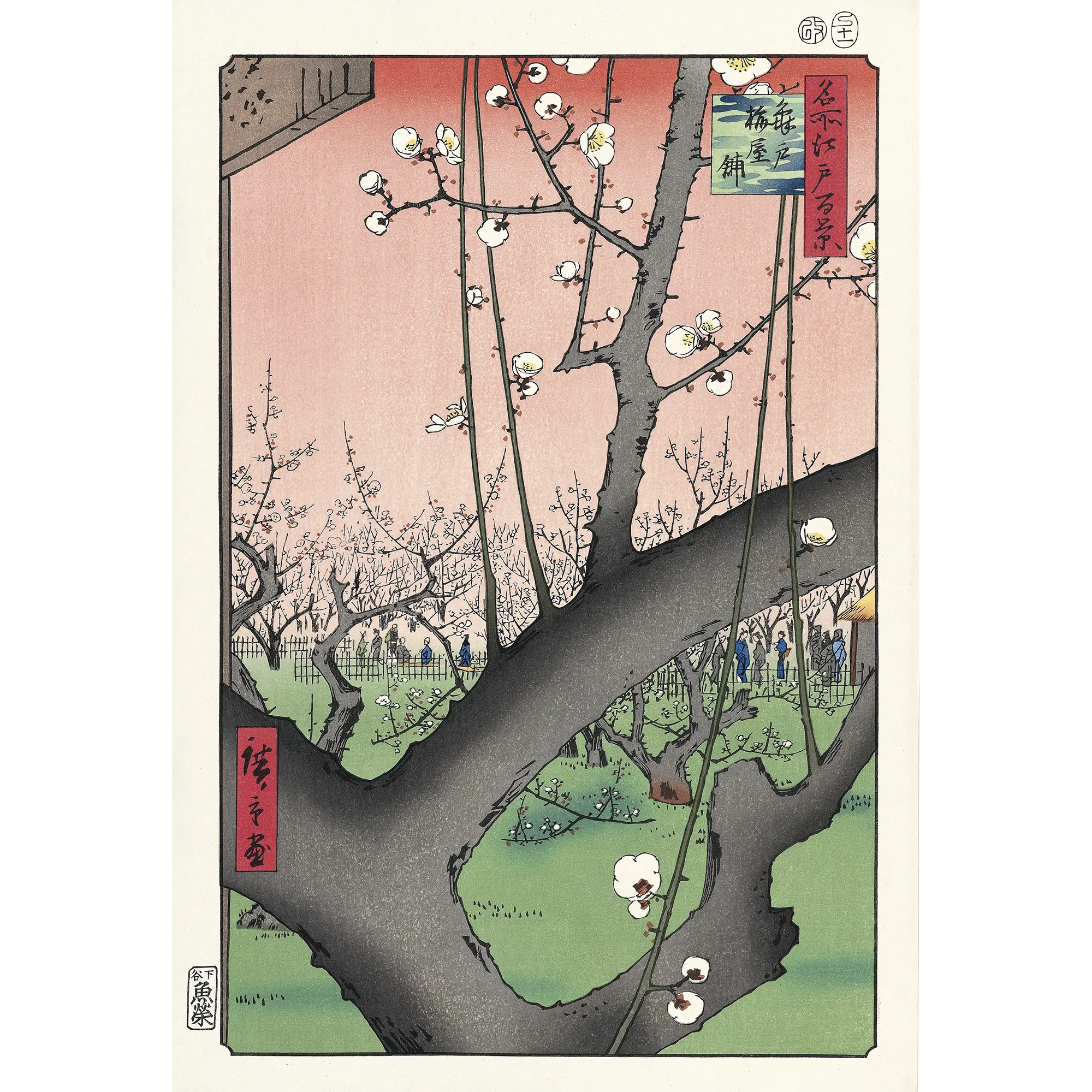
He also produced many superb, lyrical prints of birds and flowers. In one of his last major series, One Hundred Famous Views of Edo, he depicted Edo through the changing seasons from distinctive viewpoints and with extraordinary sensitivity to what he saw. The series is also known for prints that were copied by Vincent van Gogh.
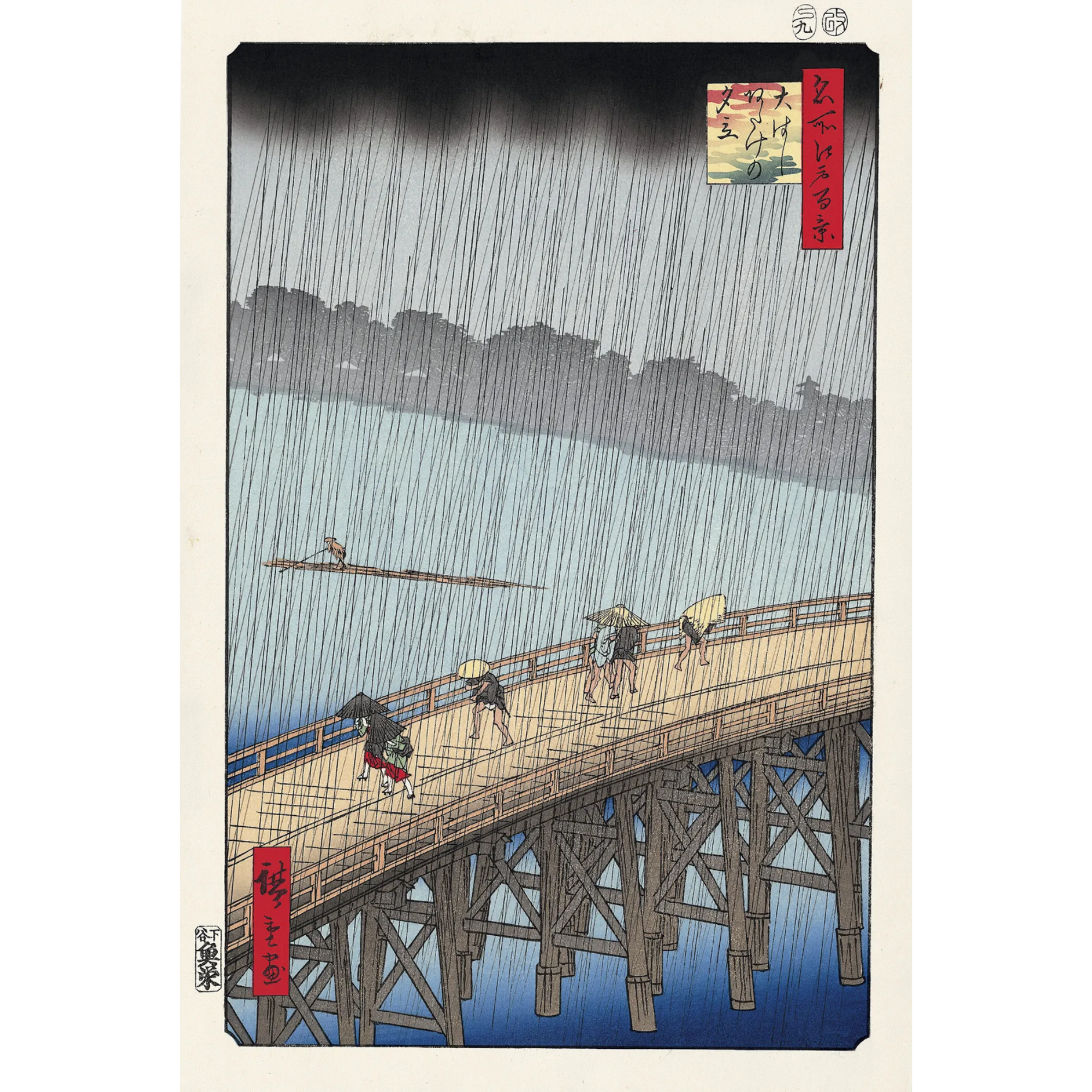
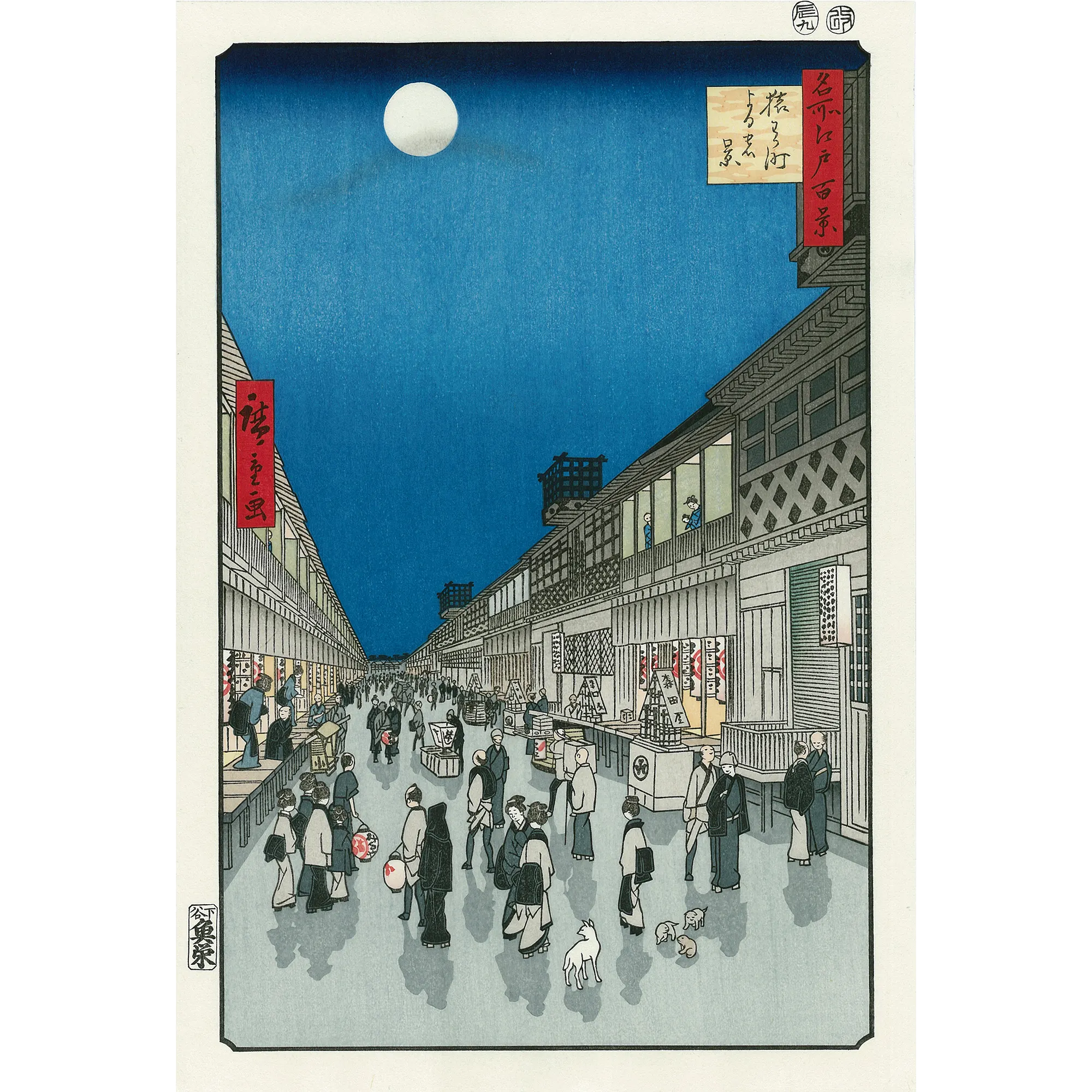
Rain, Snow, and Moon: Lyrical Images of Japan’s Seasons
Hiroshige’s landscapes depict rain, snow, moonlight, and other aspects of changing weather and seasons with profound feeling, conveying the beauty of Japan’s four seasons. Making skillful use of bero-ai (as Prussian blue was known at the time), a stunning blue pigment imported from abroad, and the bokashi (gradation) technique, Hiroshige produced many celebrated works and became widely known as a master of landscape.
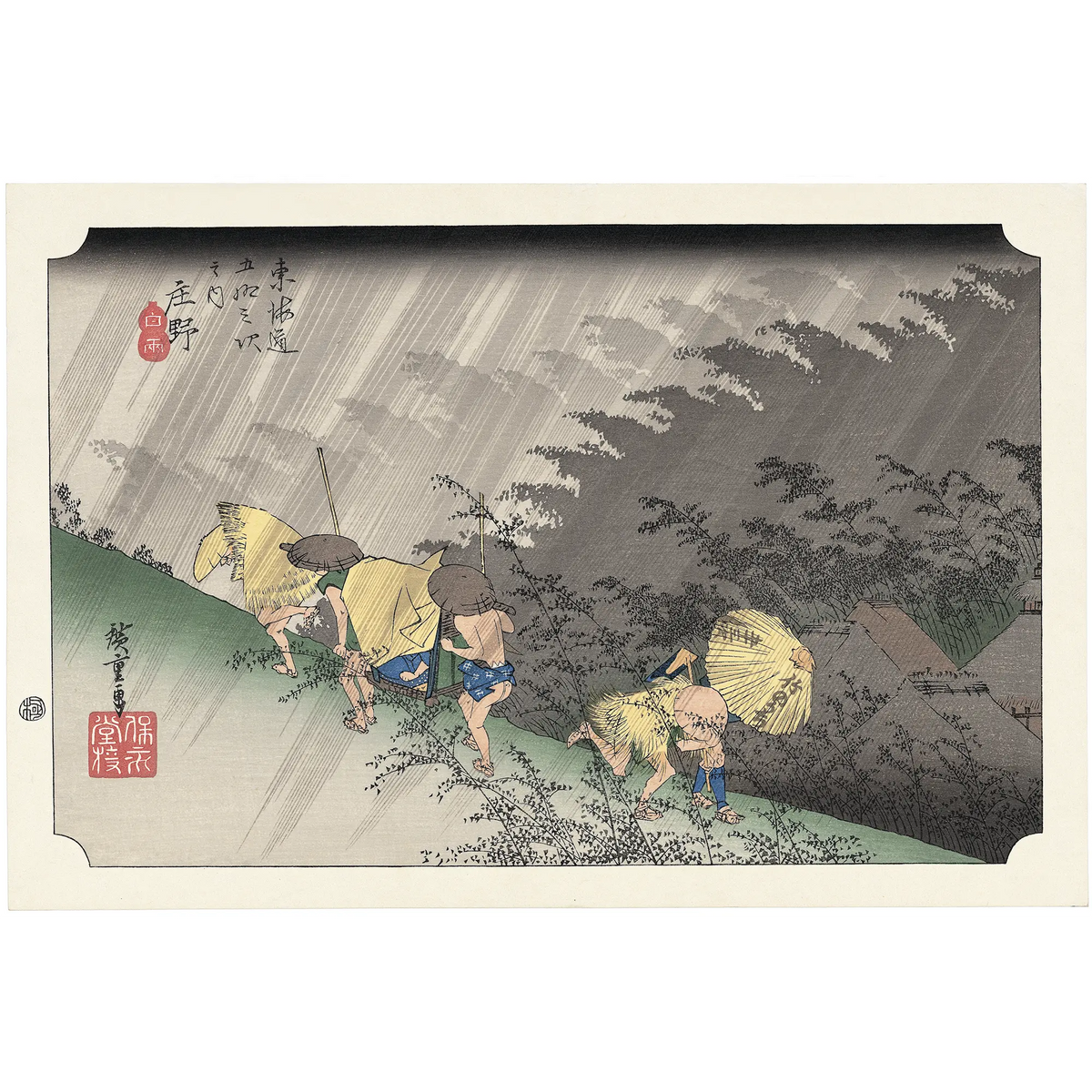
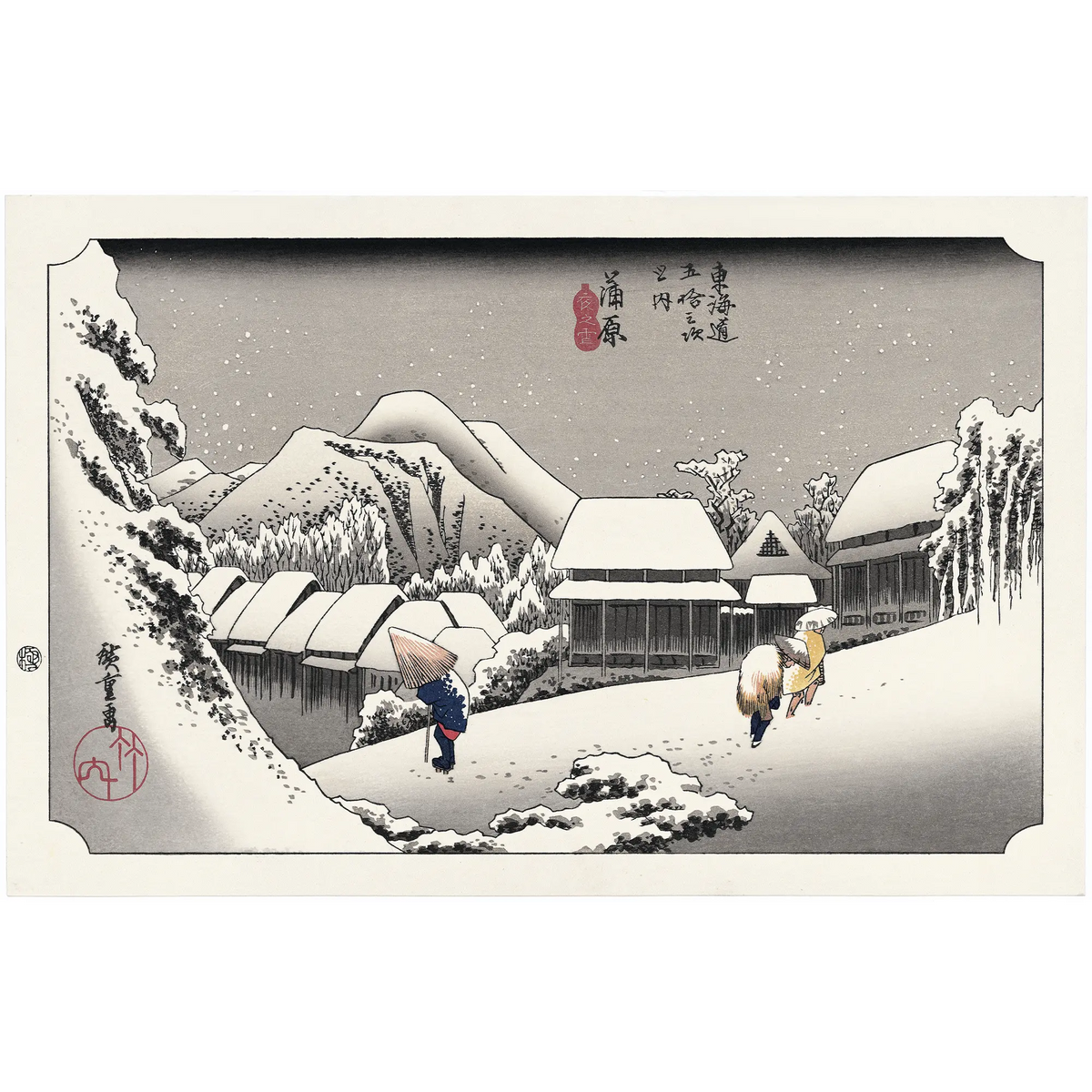
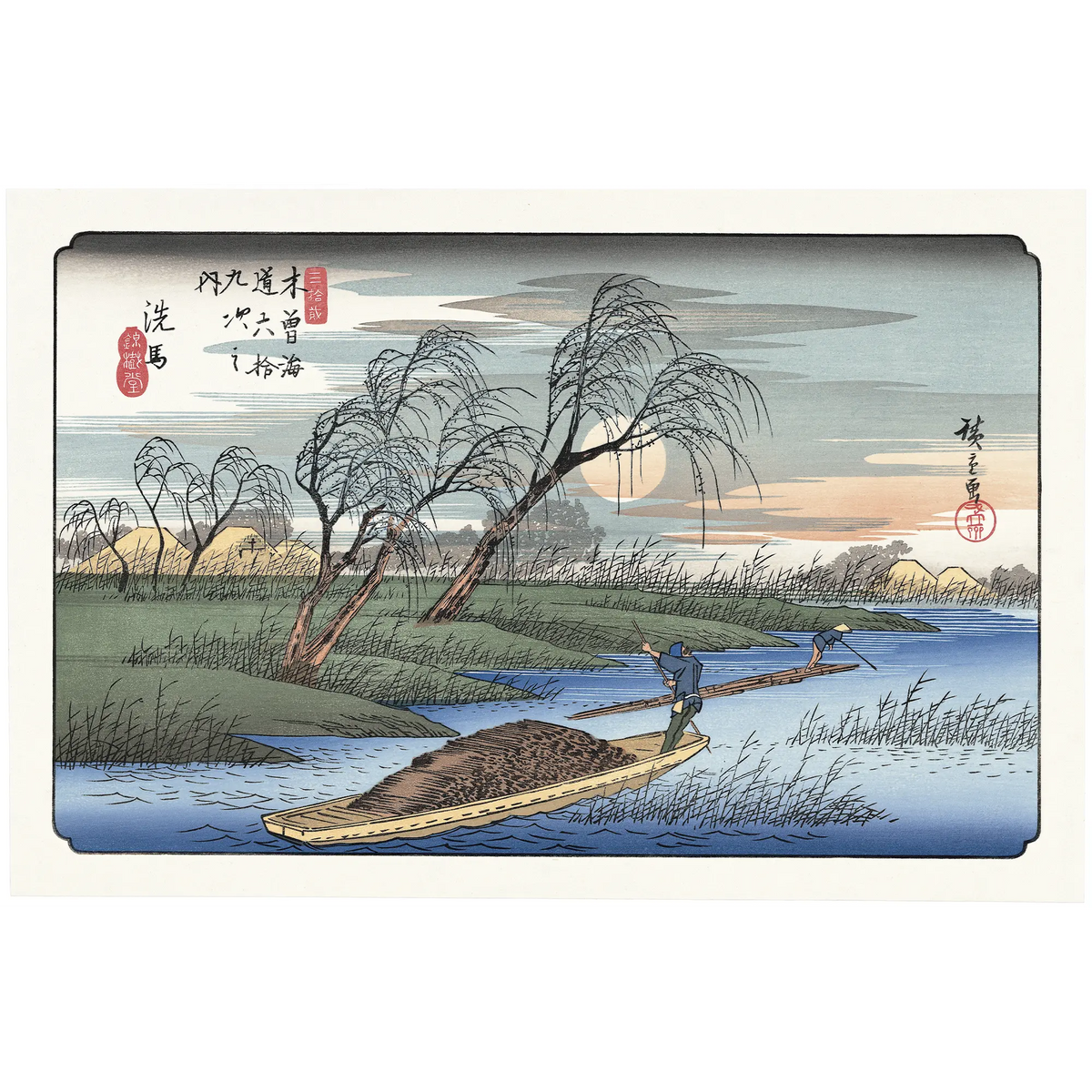
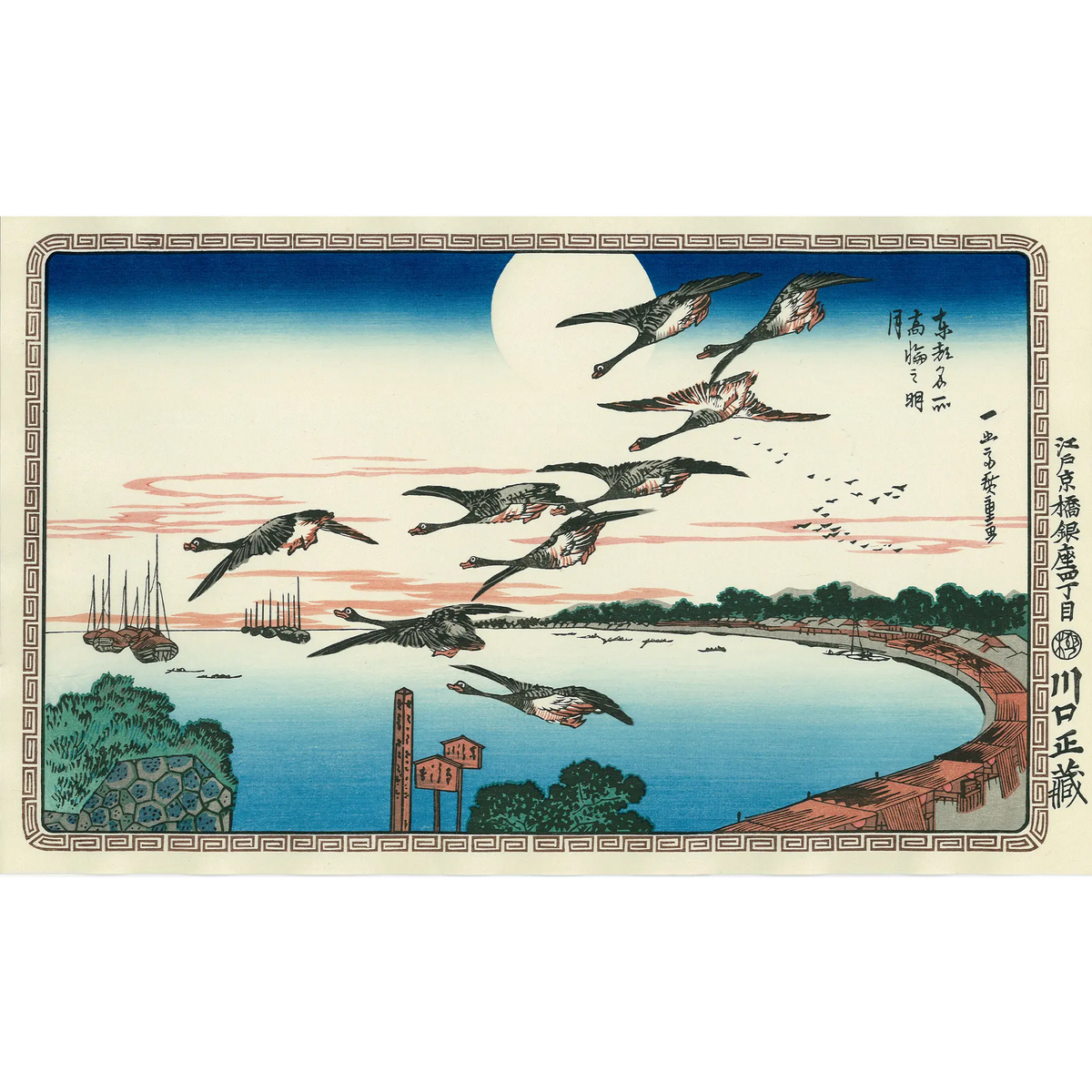
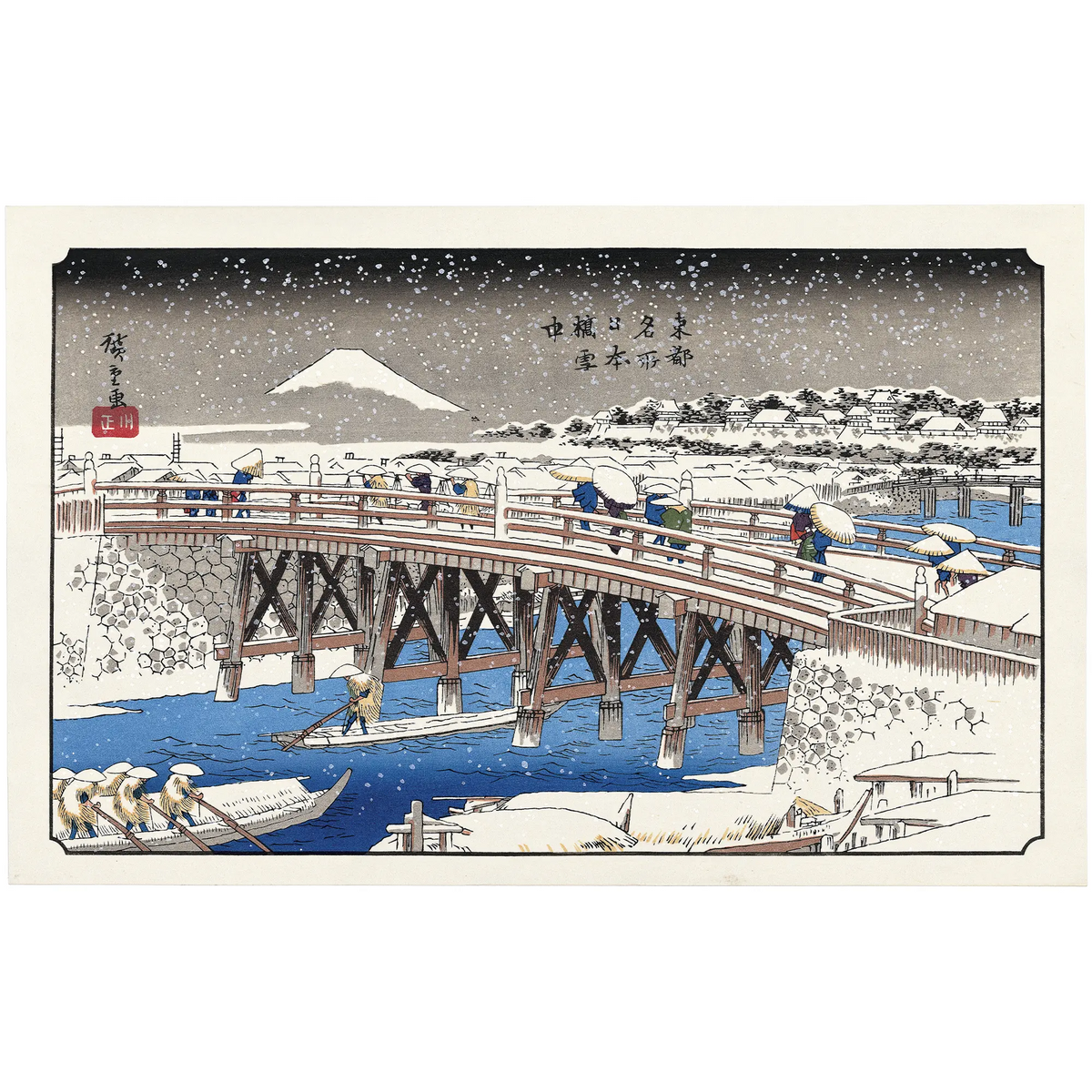
A Craze Among Edo Commoners: Famous Places Seen Through Hiroshige’s Eyes
As the shogunate improved the road network and travel became increasingly popular throughout Japan, prints of famous places came into vogue among ordinary people.
Hiroshige invigorated the genre with bold cropping of foreground subjects and compositions that created a strong sense of depth, producing numerous works that draw the viewer into the scene.
One Hundred Famous Views of Edo, depicting well-known places in and around Edo, is a popular series from Hiroshige’s later years.
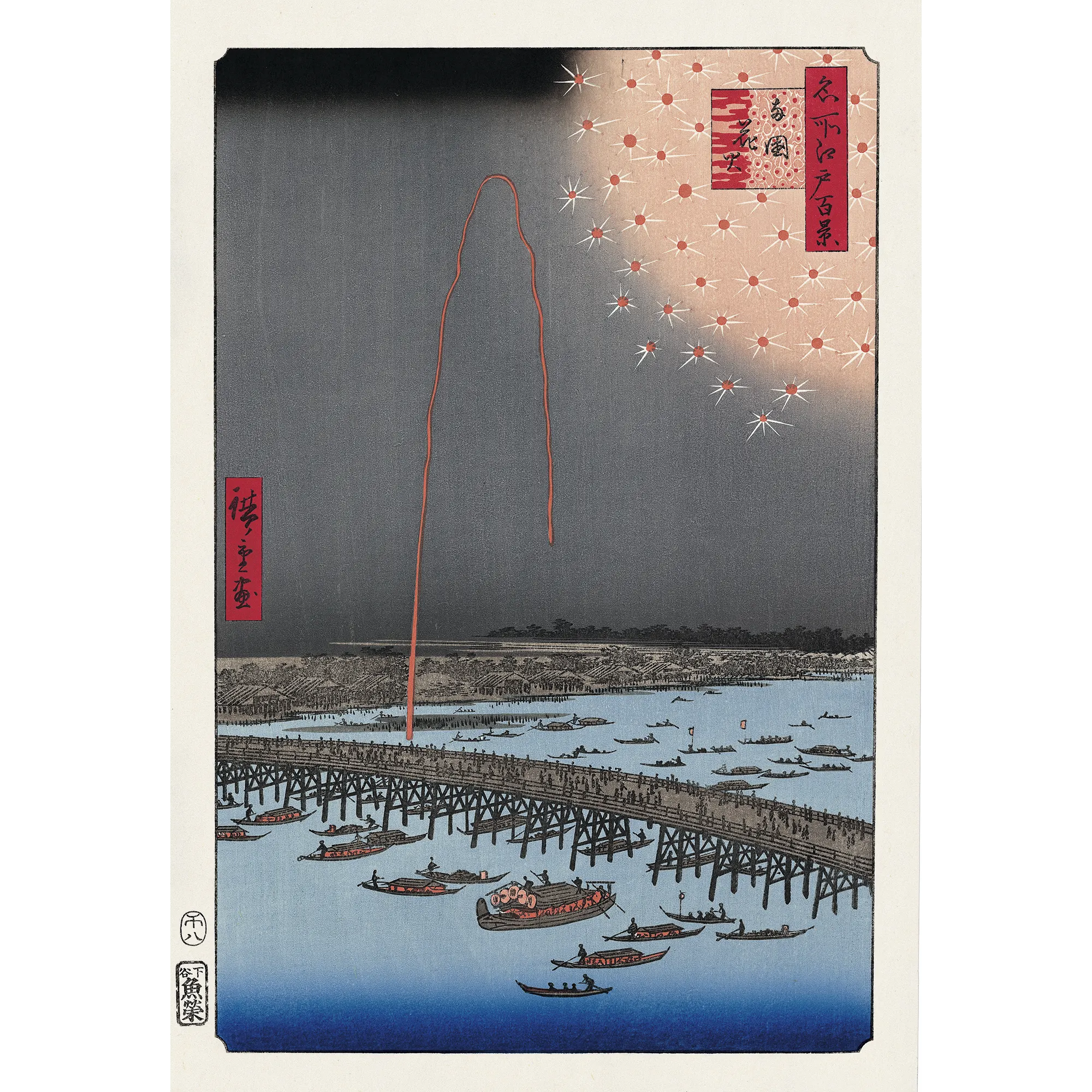
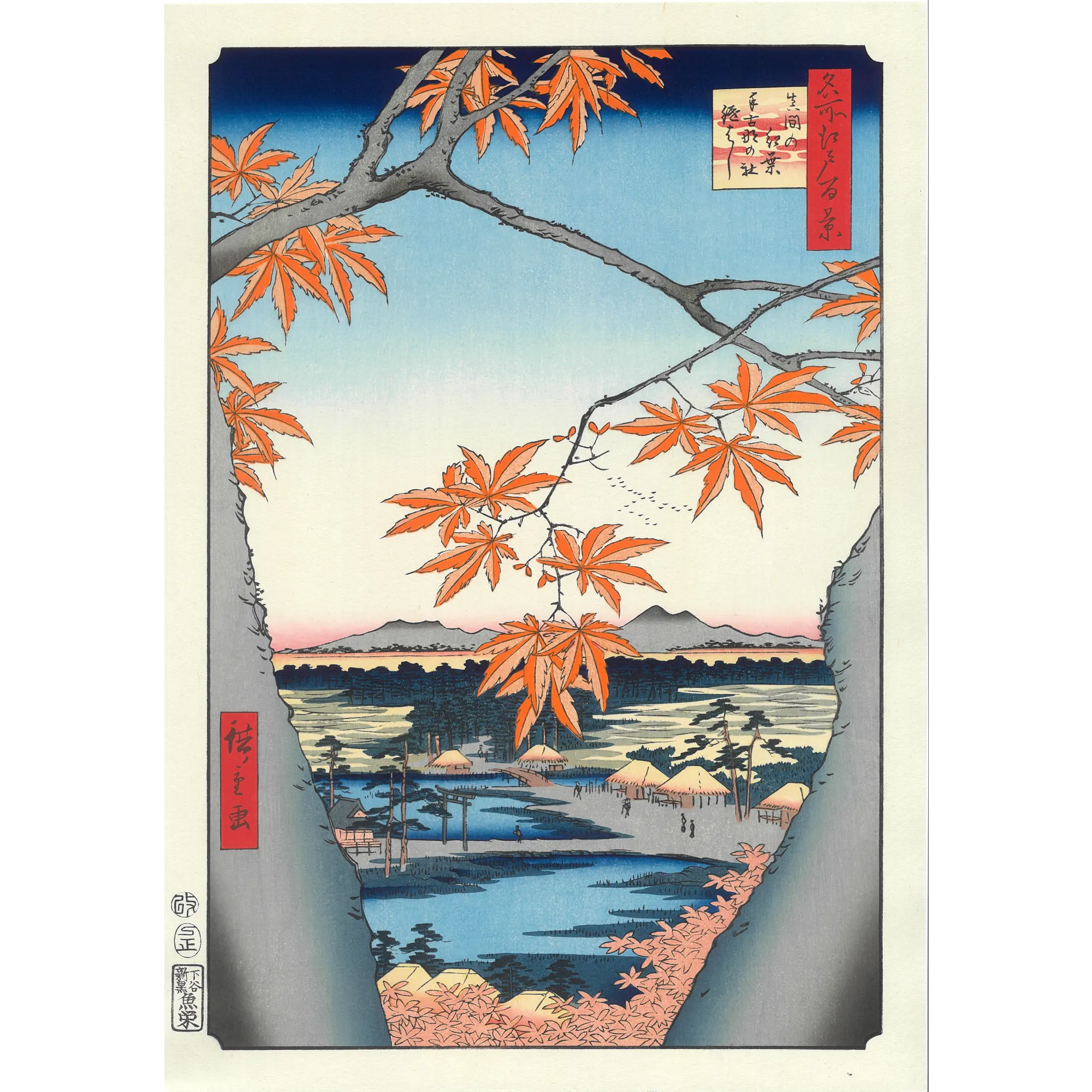
Color and Waka Poetry in Bird-and-Flower Prints
A Closer Look at Woodcut Techniques in Hiroshige’s Works


Featured Products

Sold out
Invalid password
Enter