



Access Denied
IMPORTANT! If you’re a store owner, please make sure you have Customer accounts enabled in your Store Admin, as you have customer based locks set up with EasyLockdown app. Enable Customer Accounts
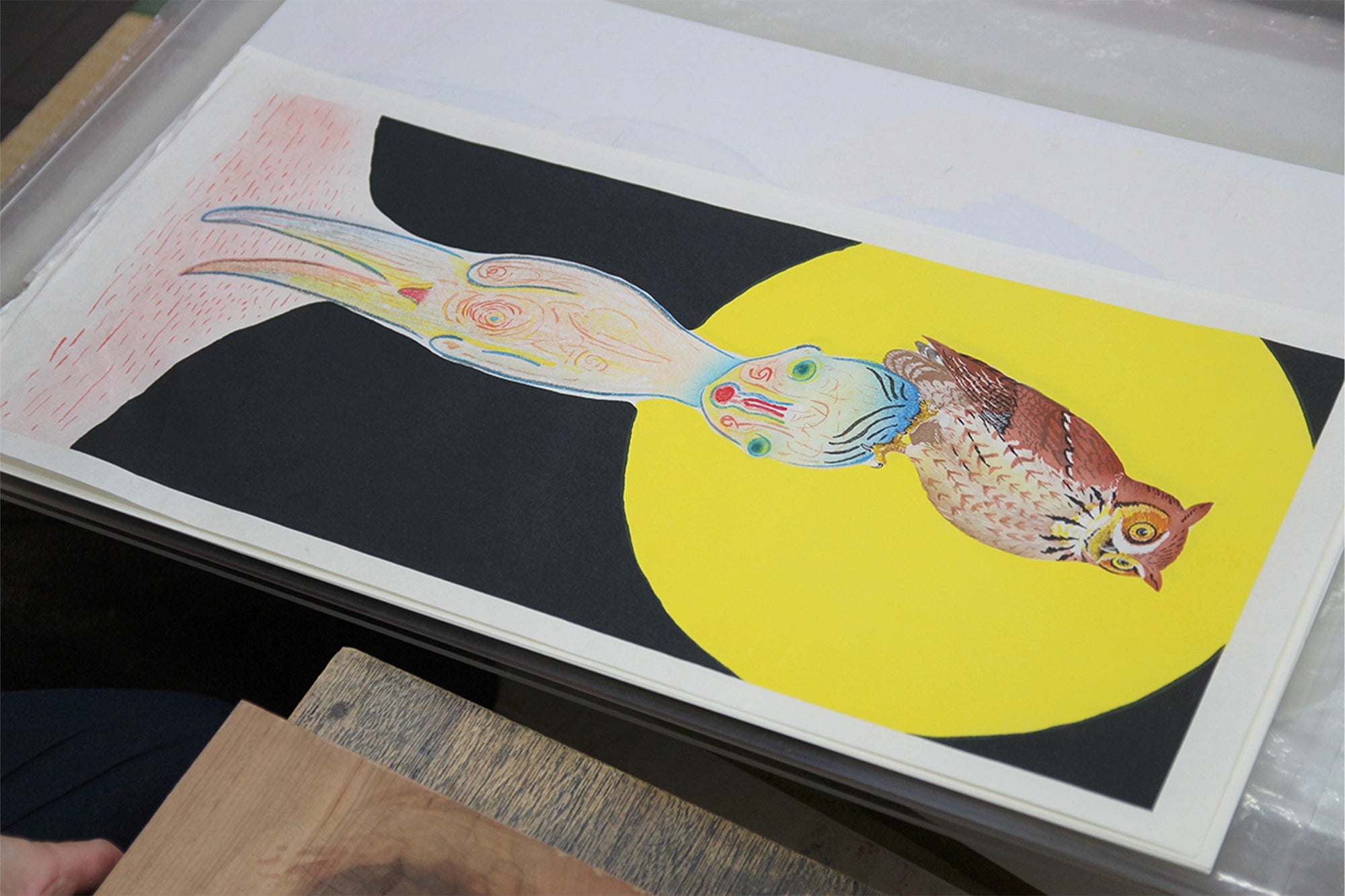
Techniques kept alive in the present
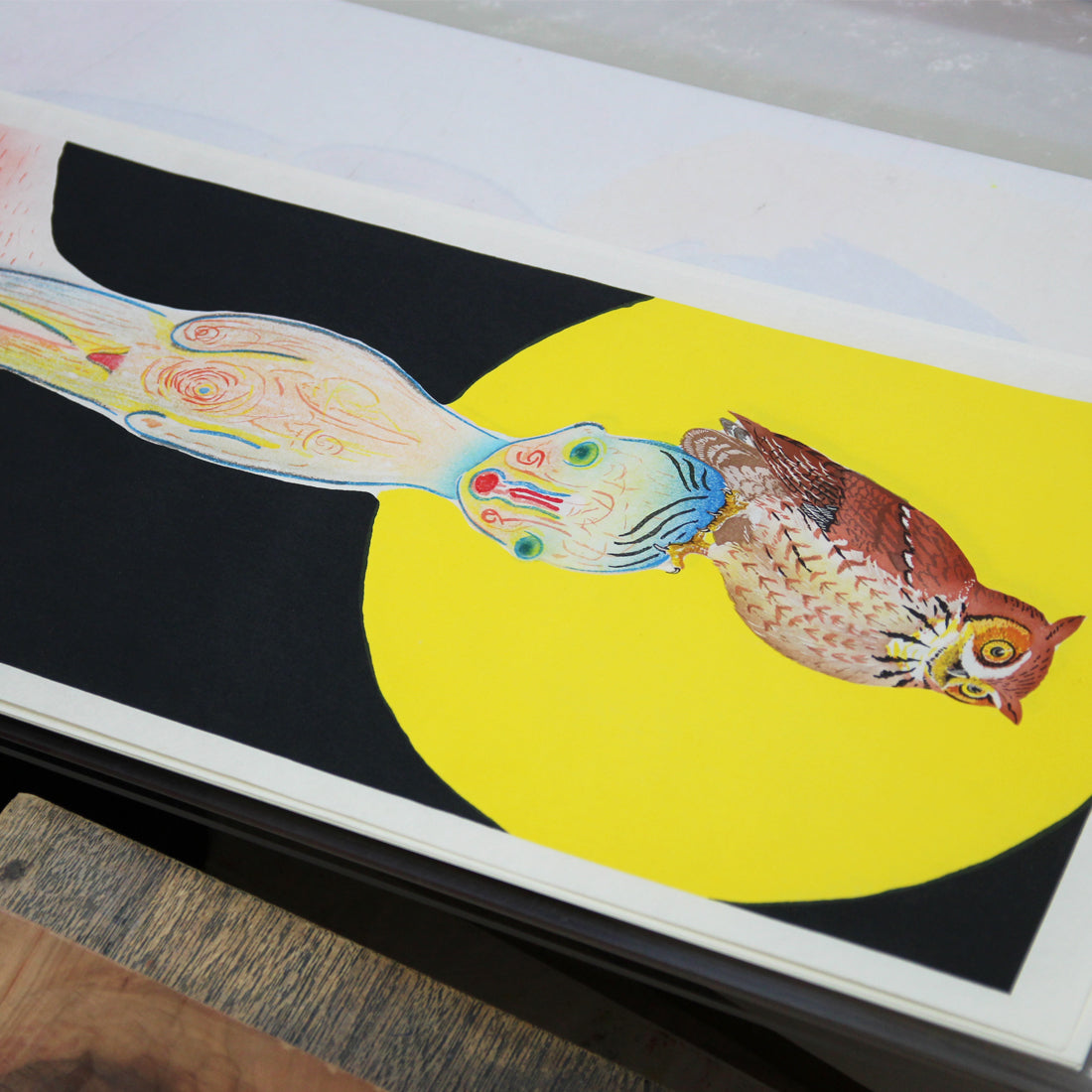
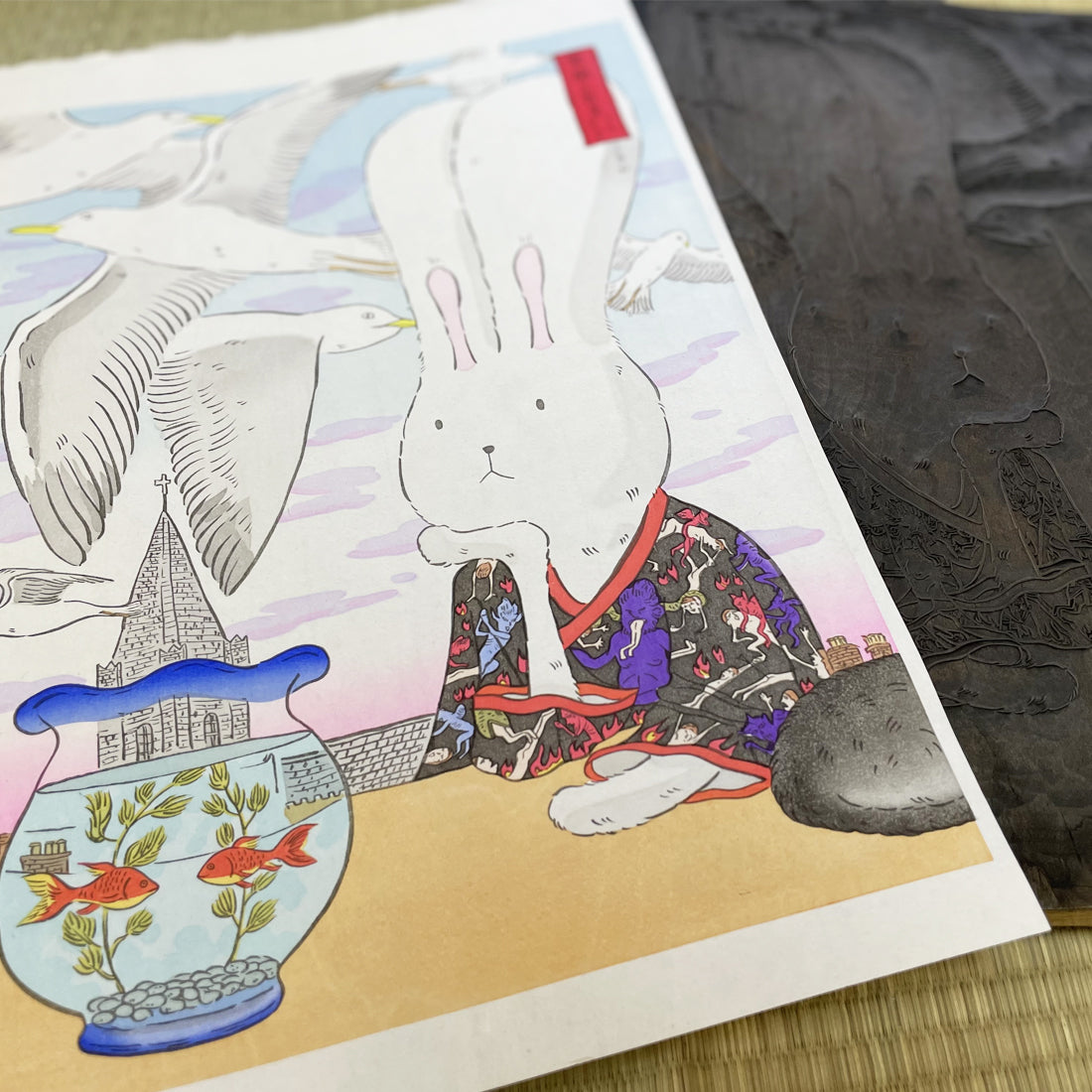
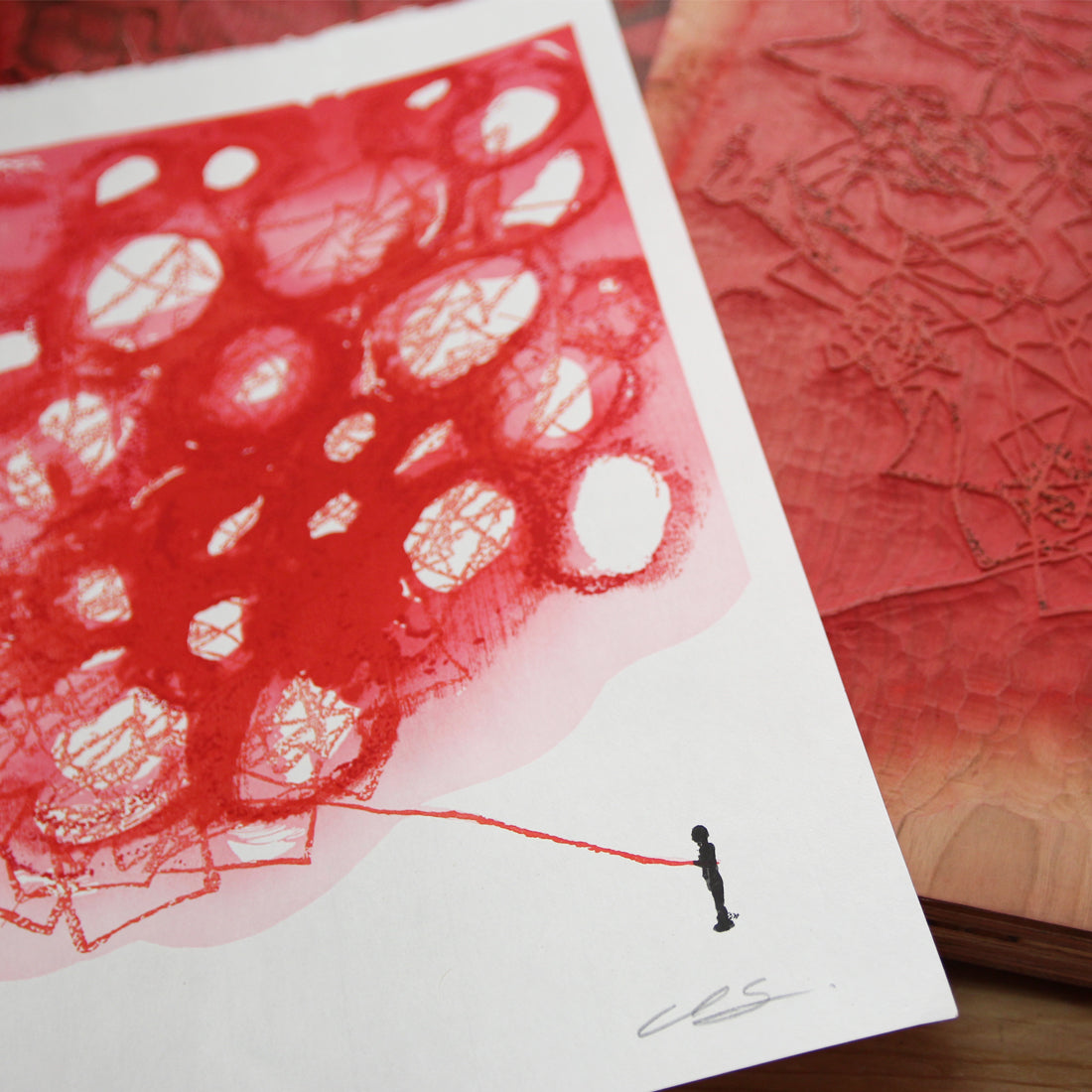
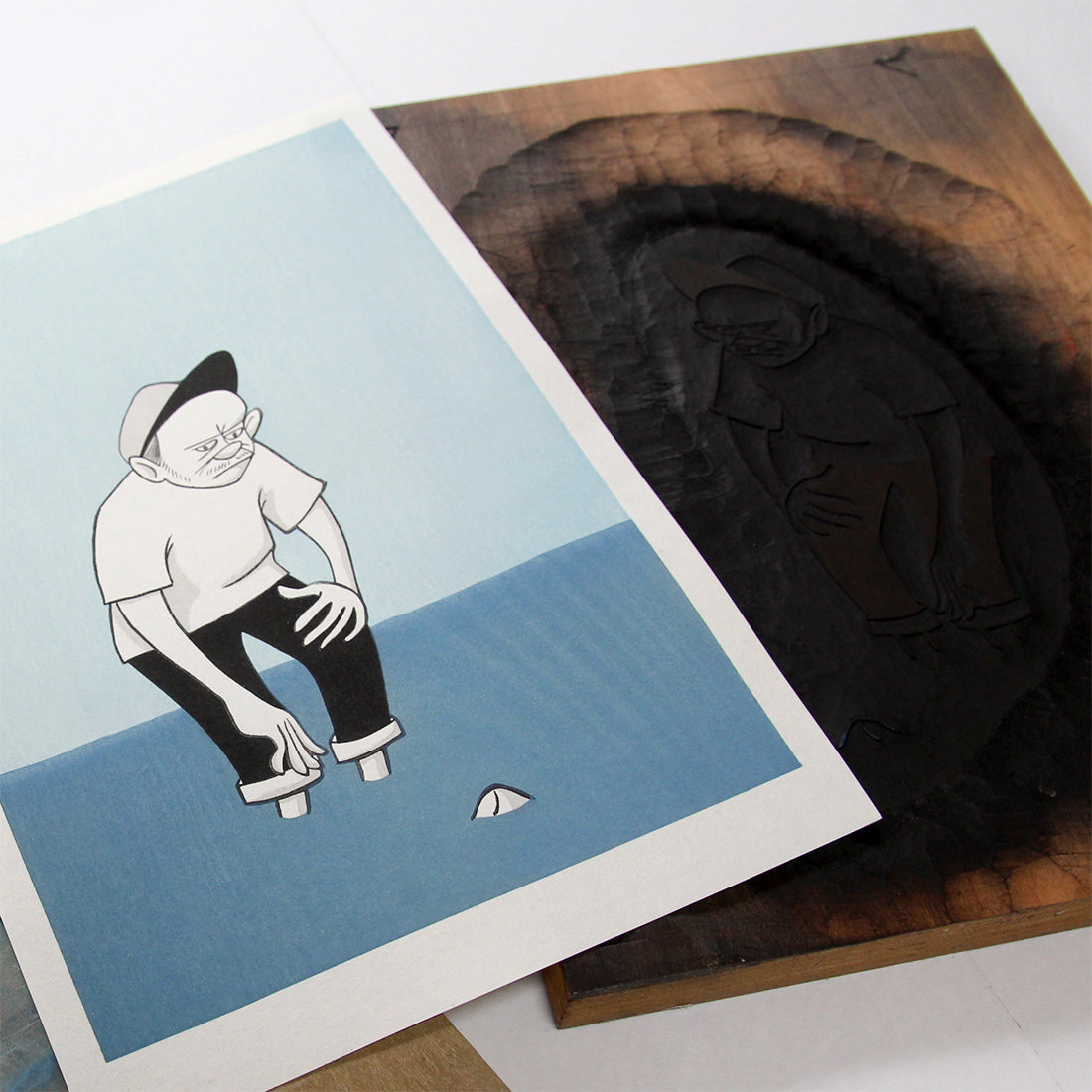
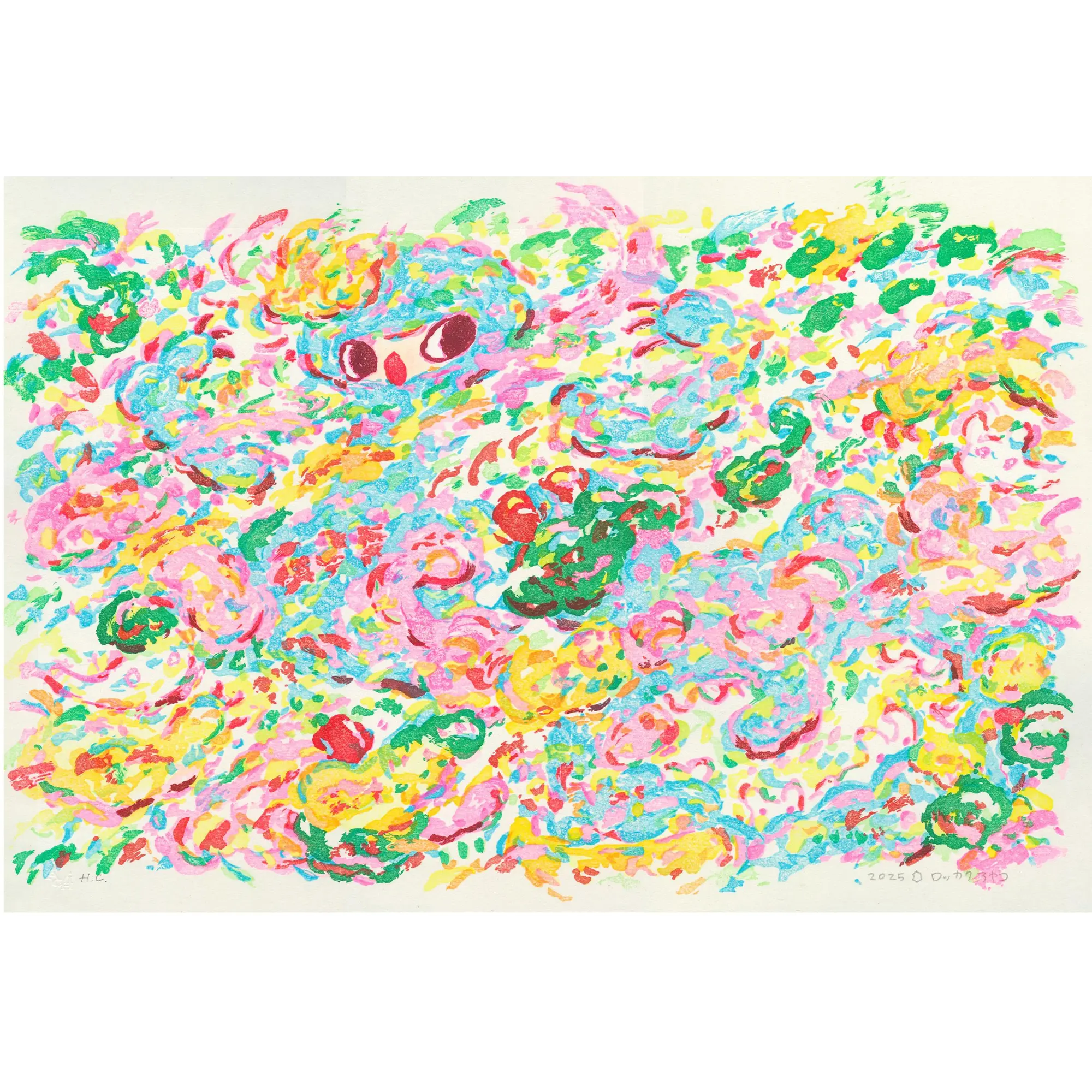
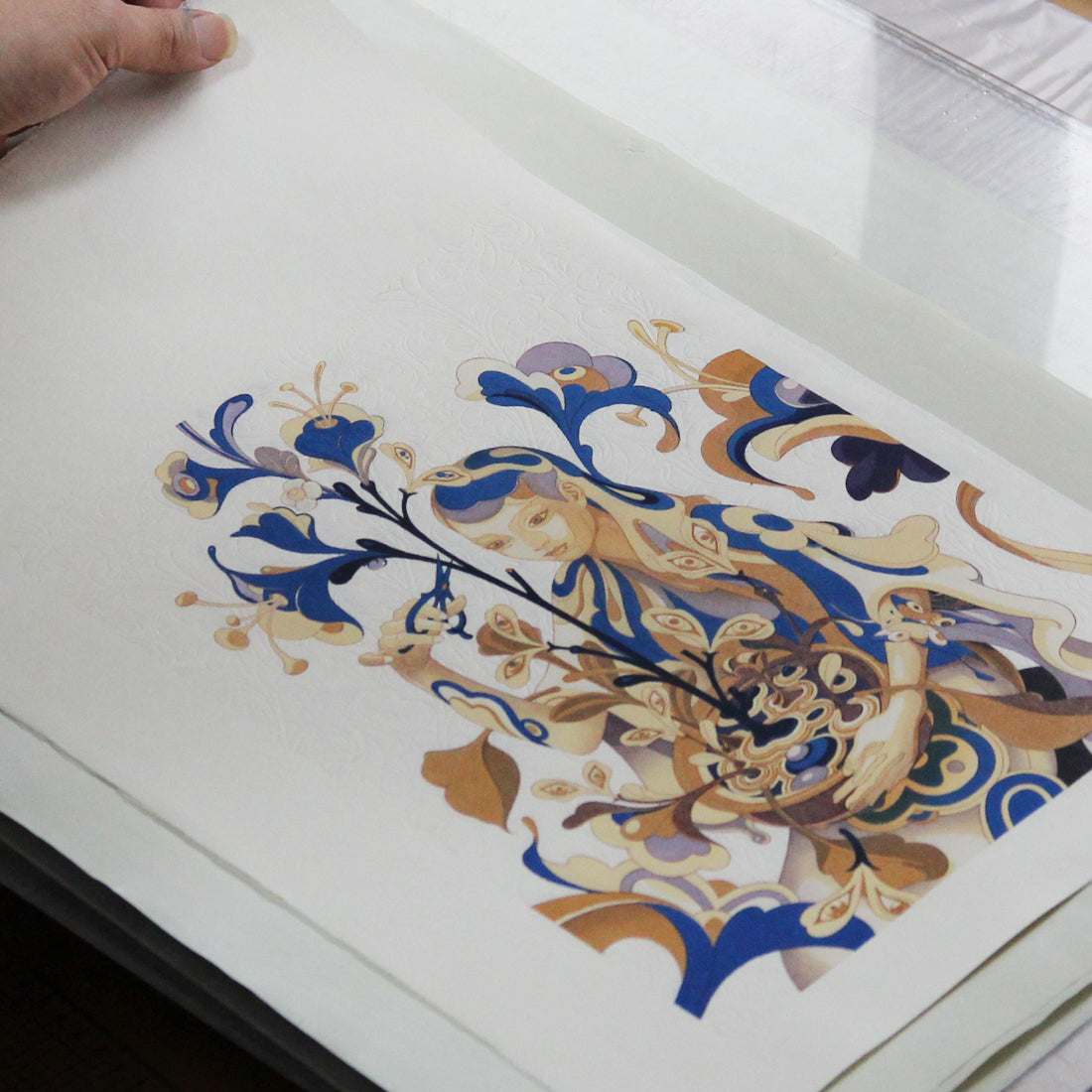
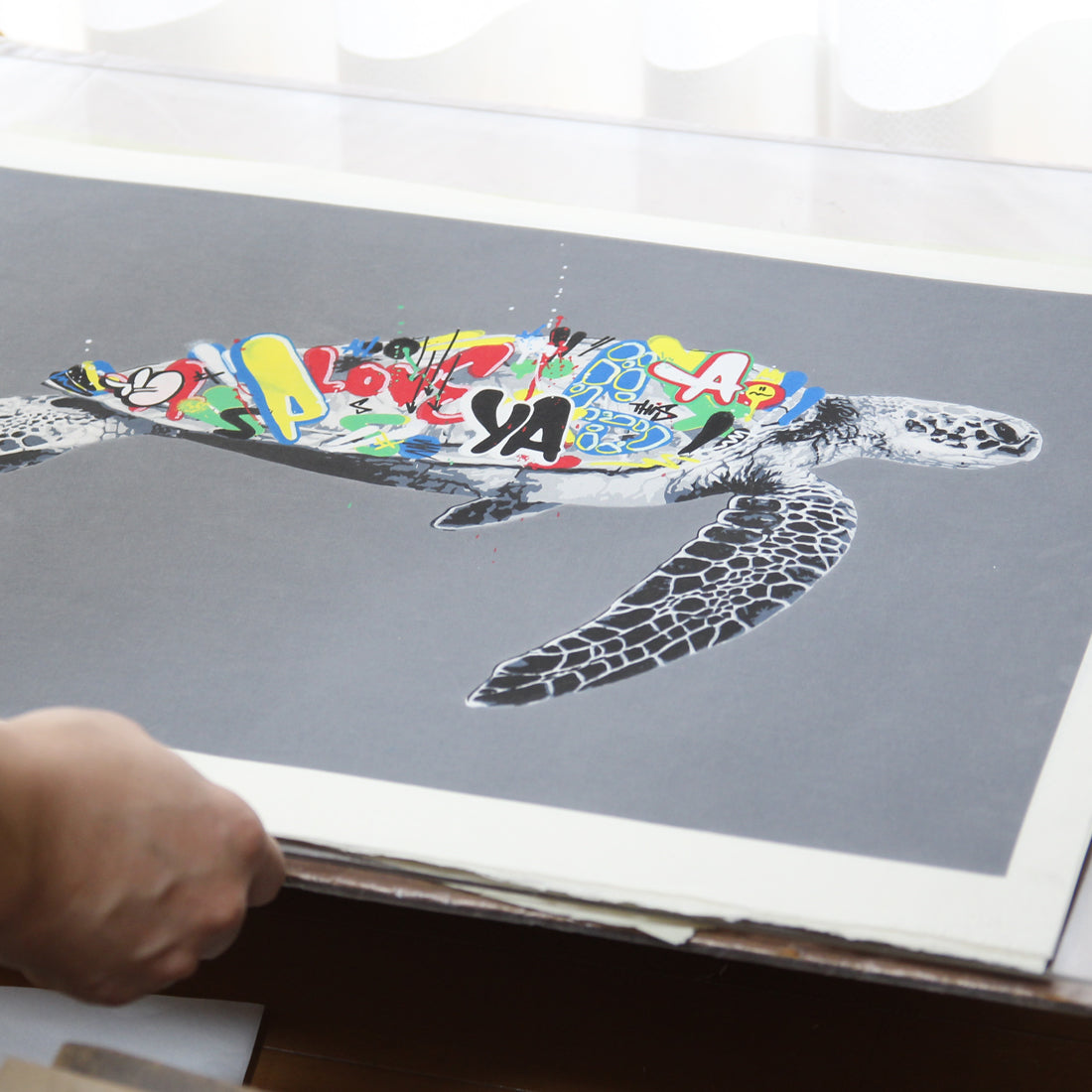
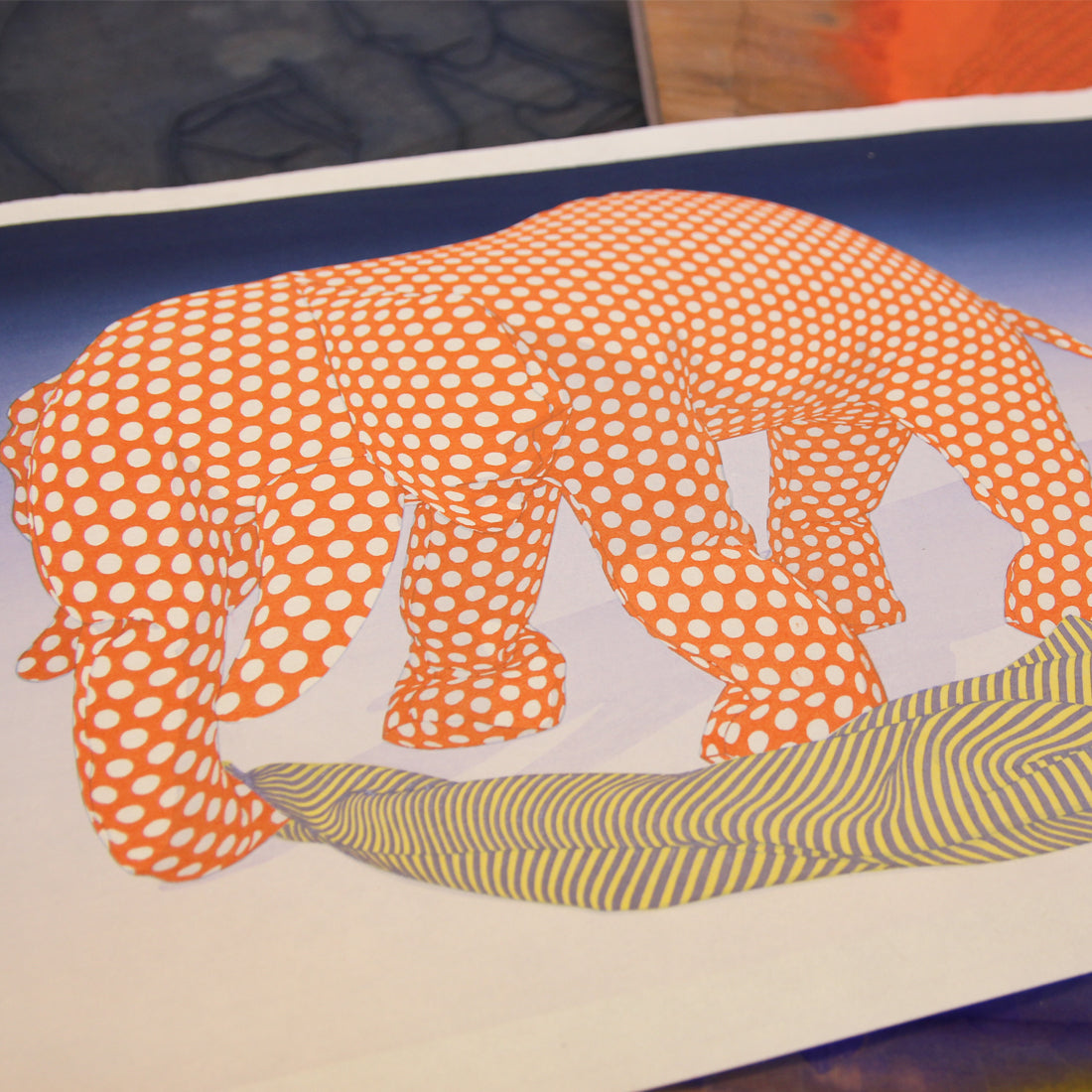
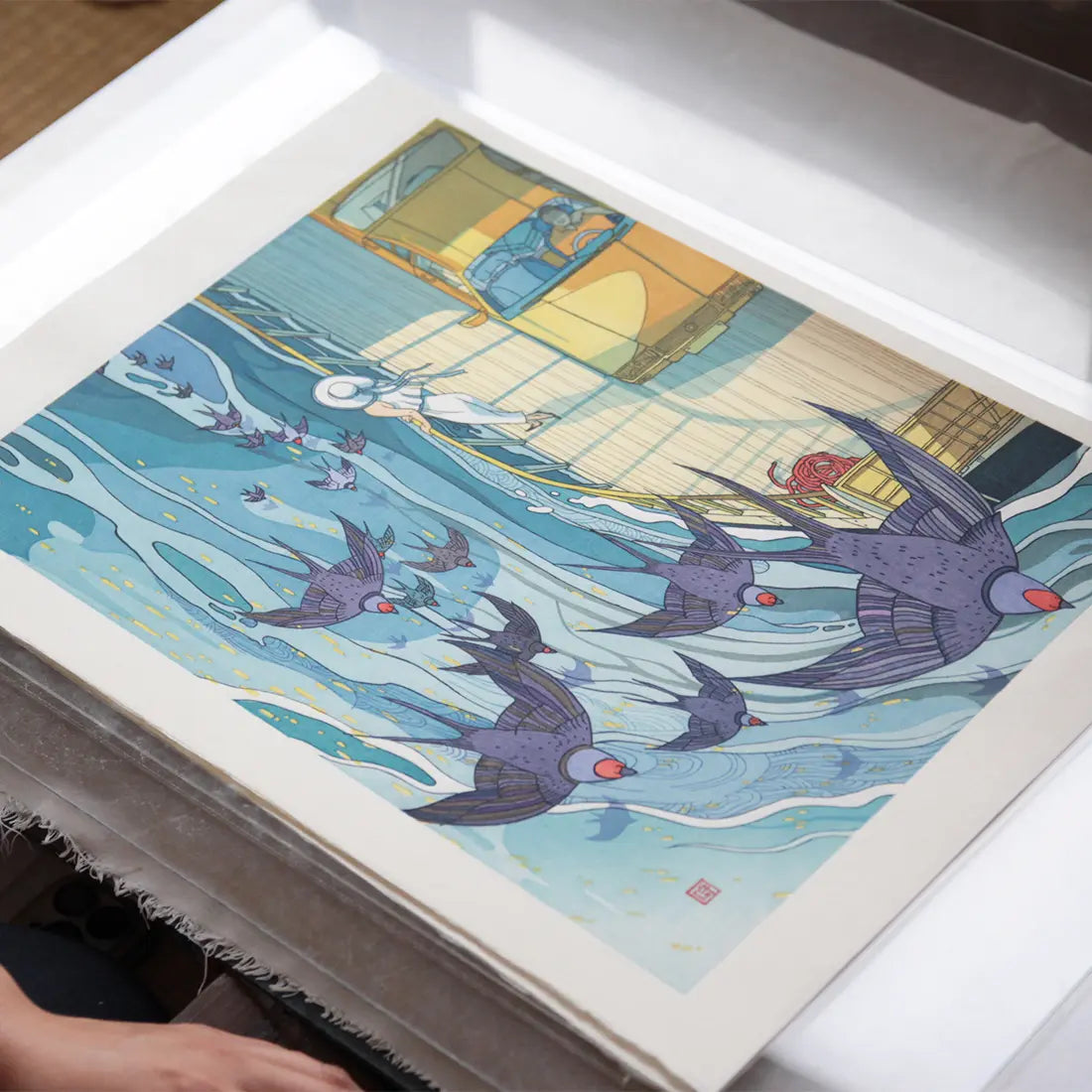
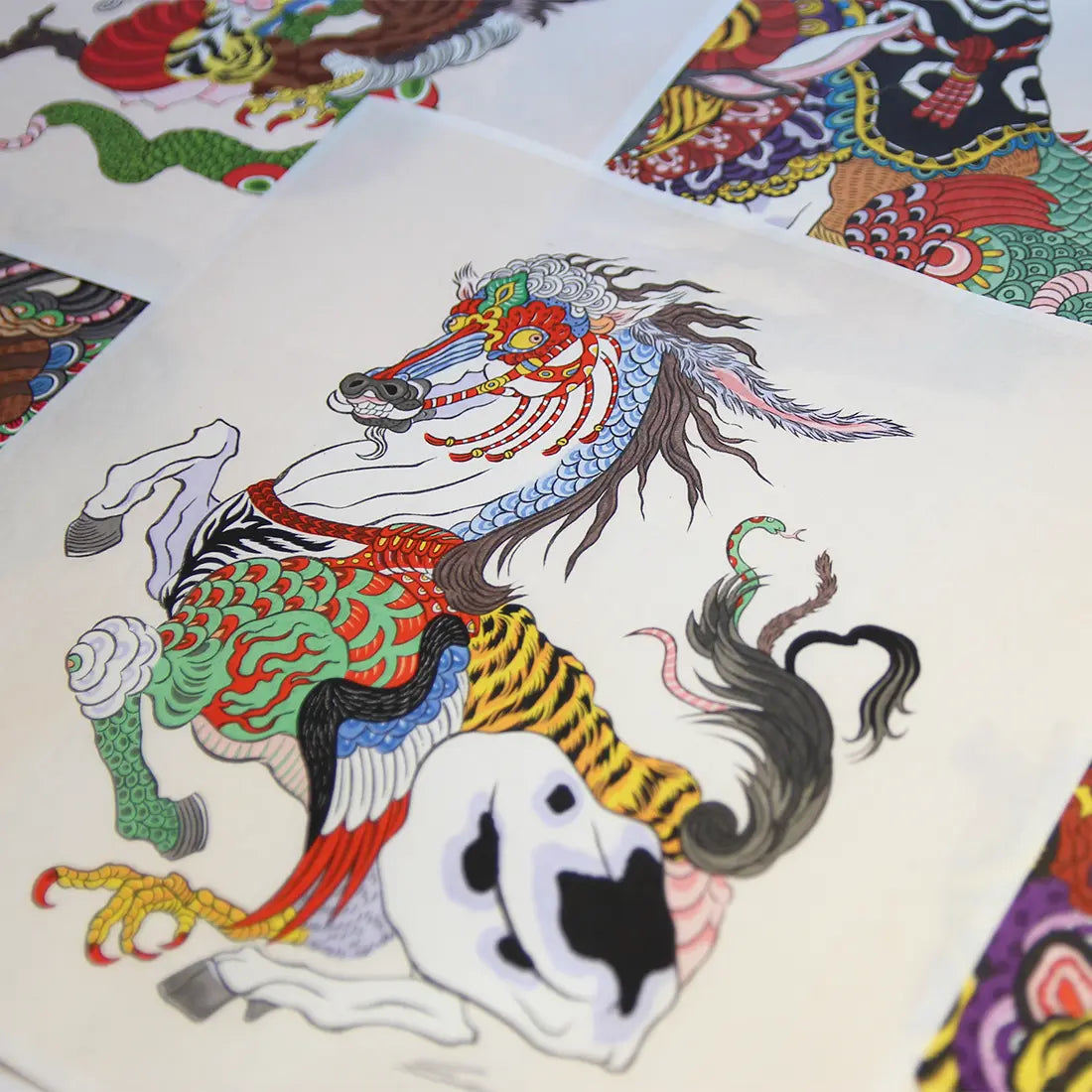
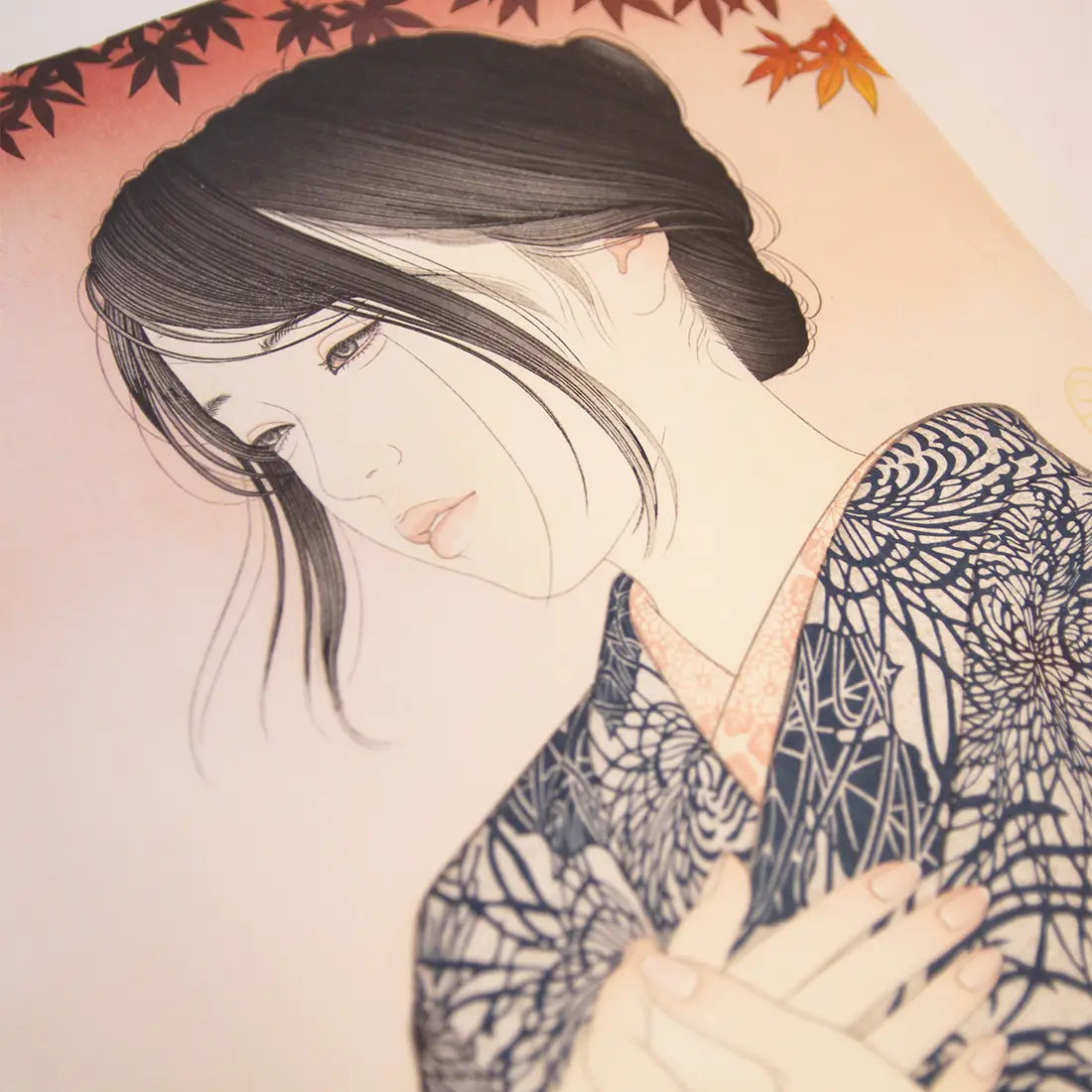
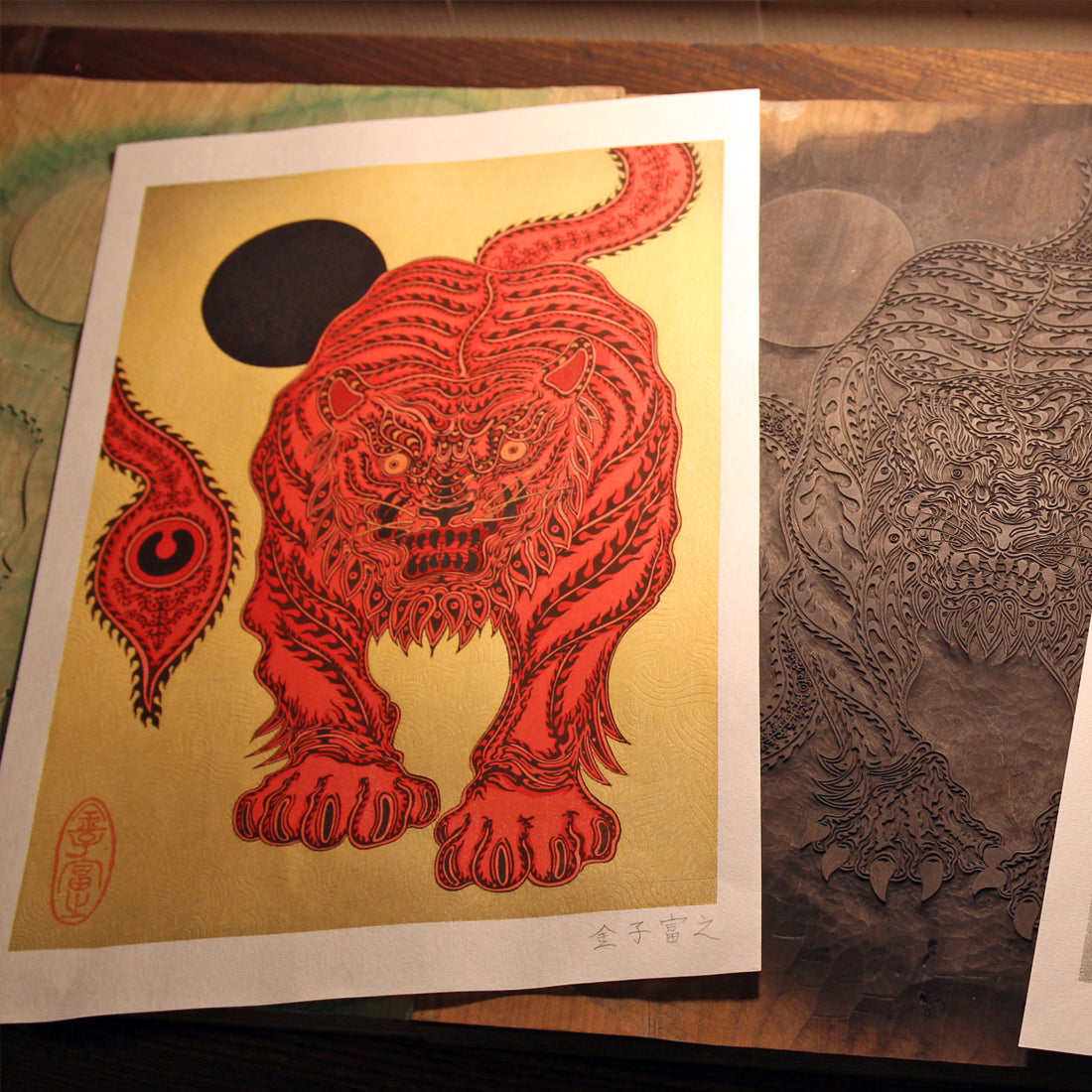
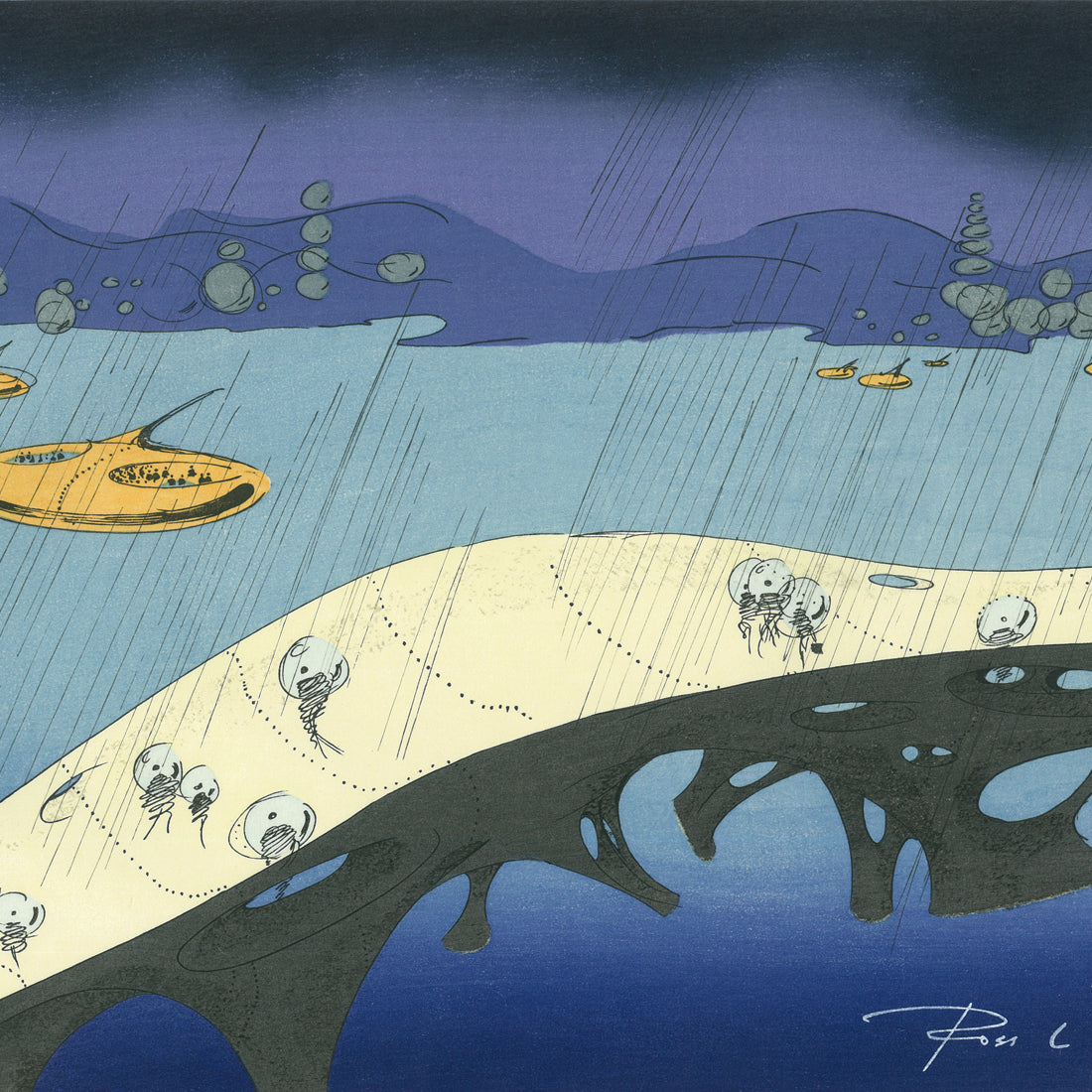
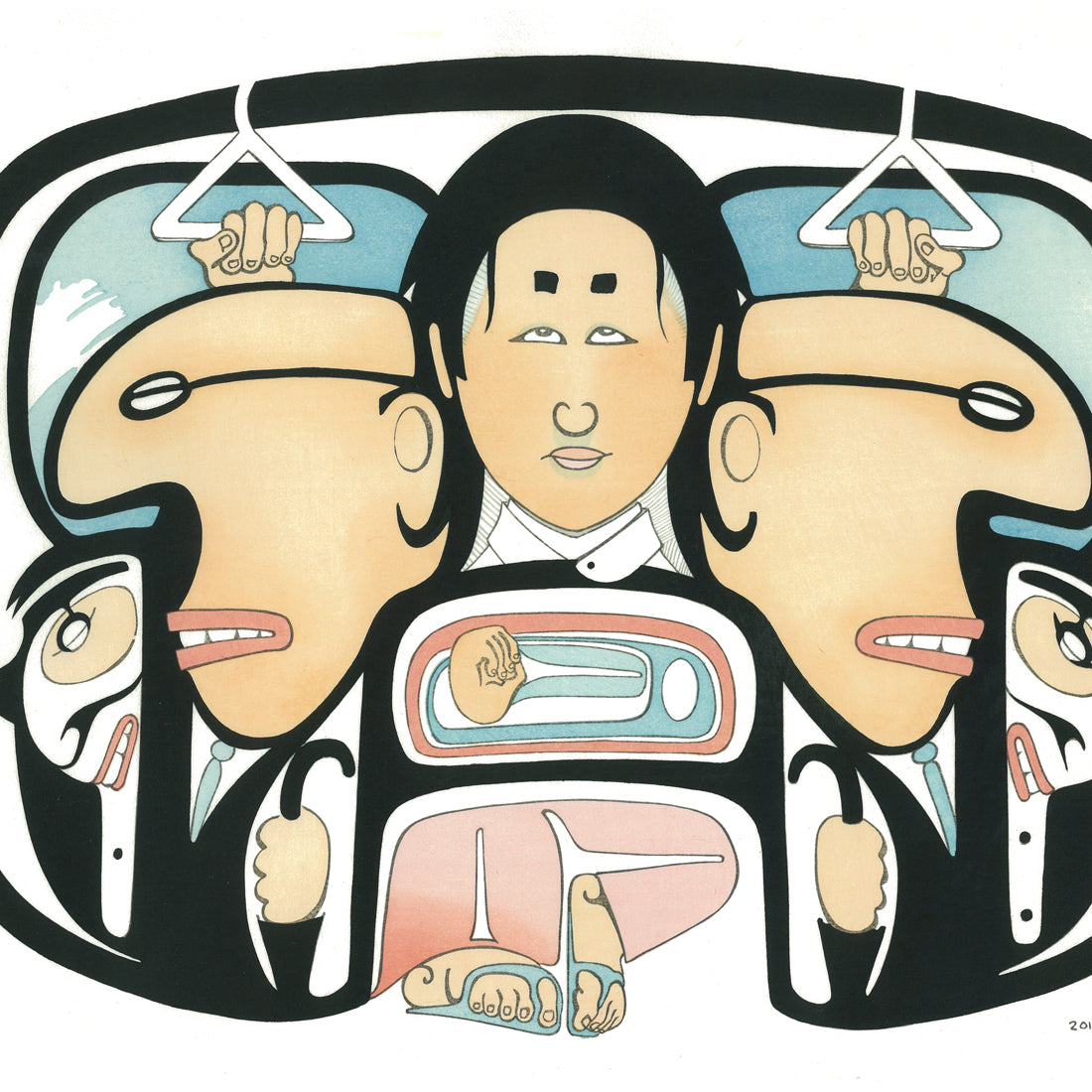
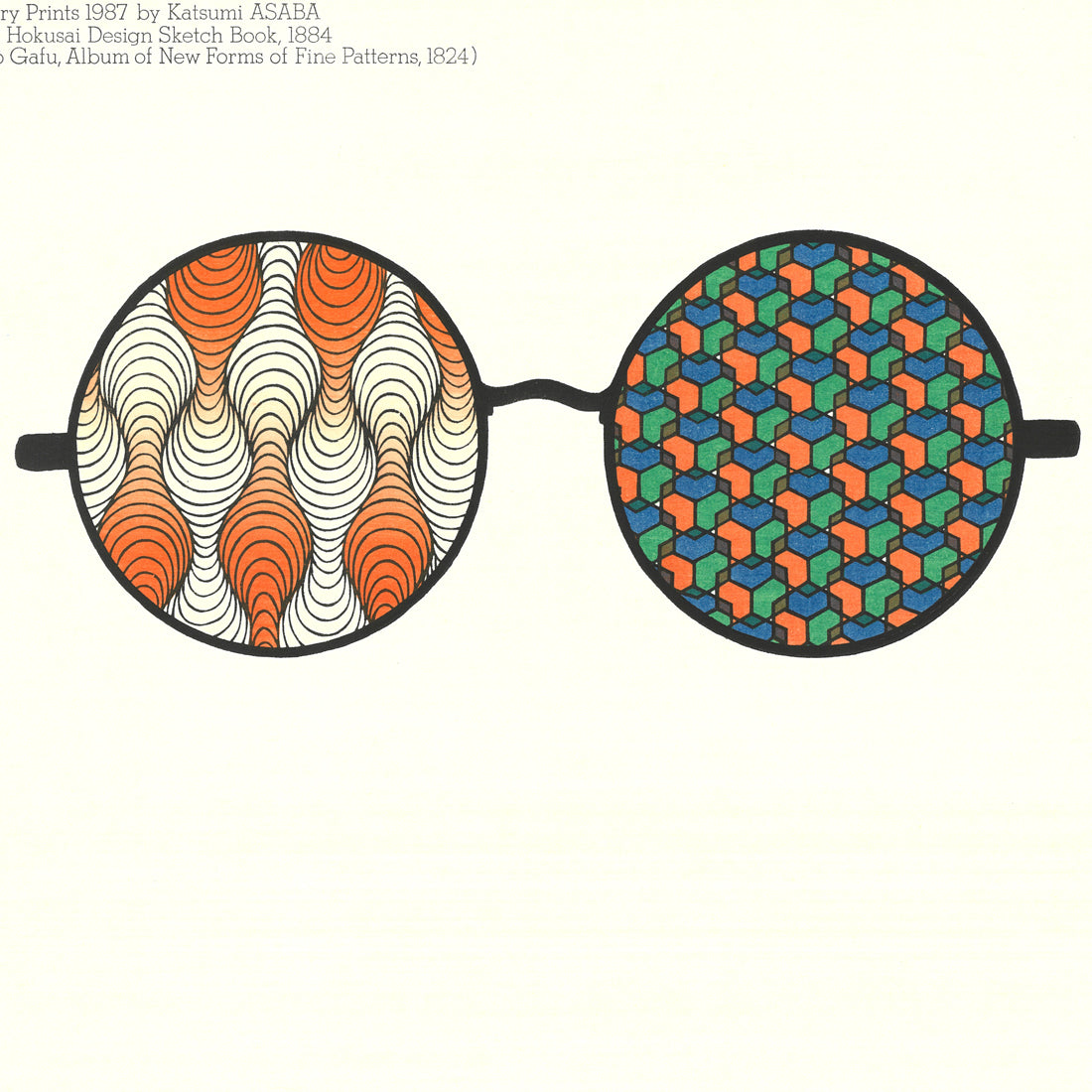
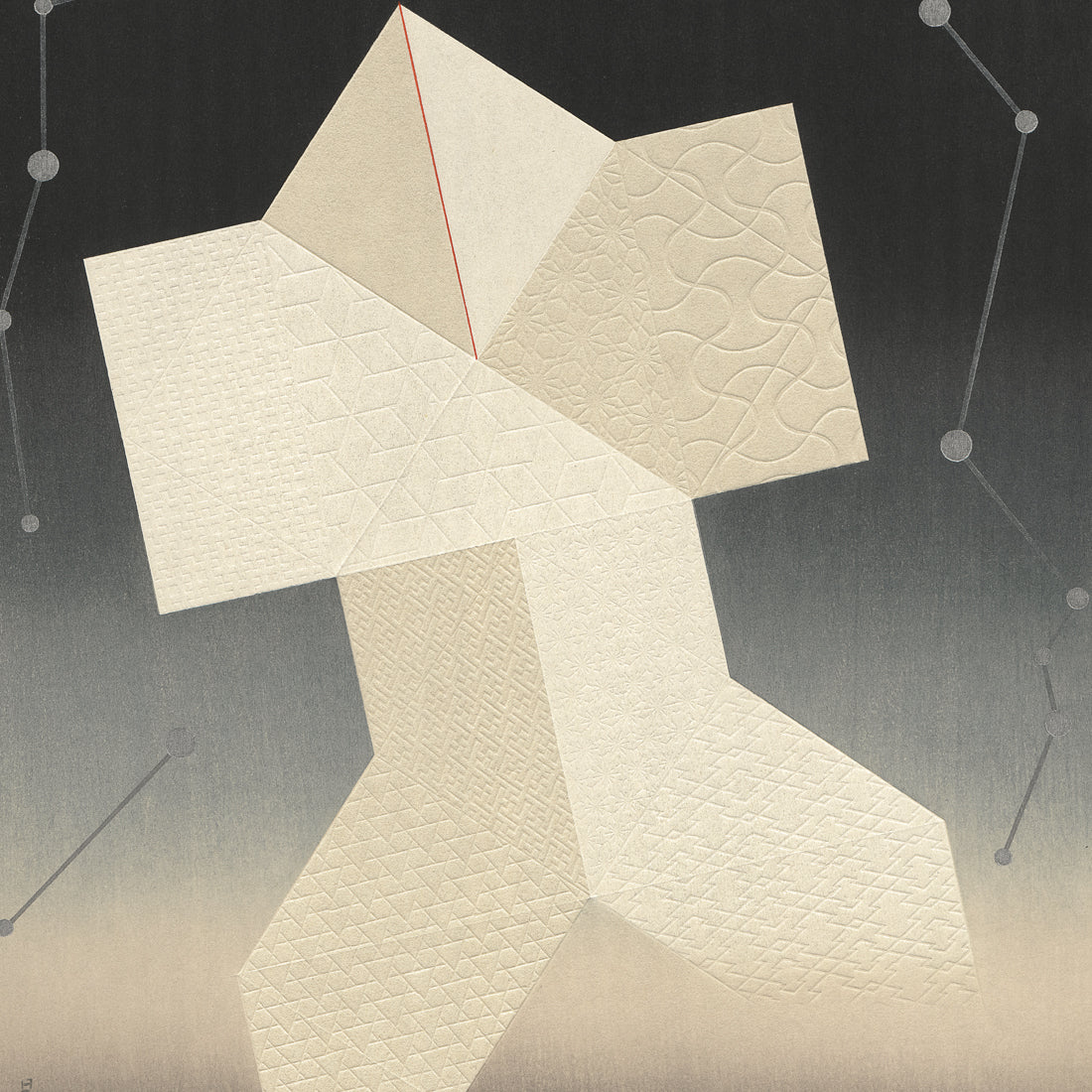
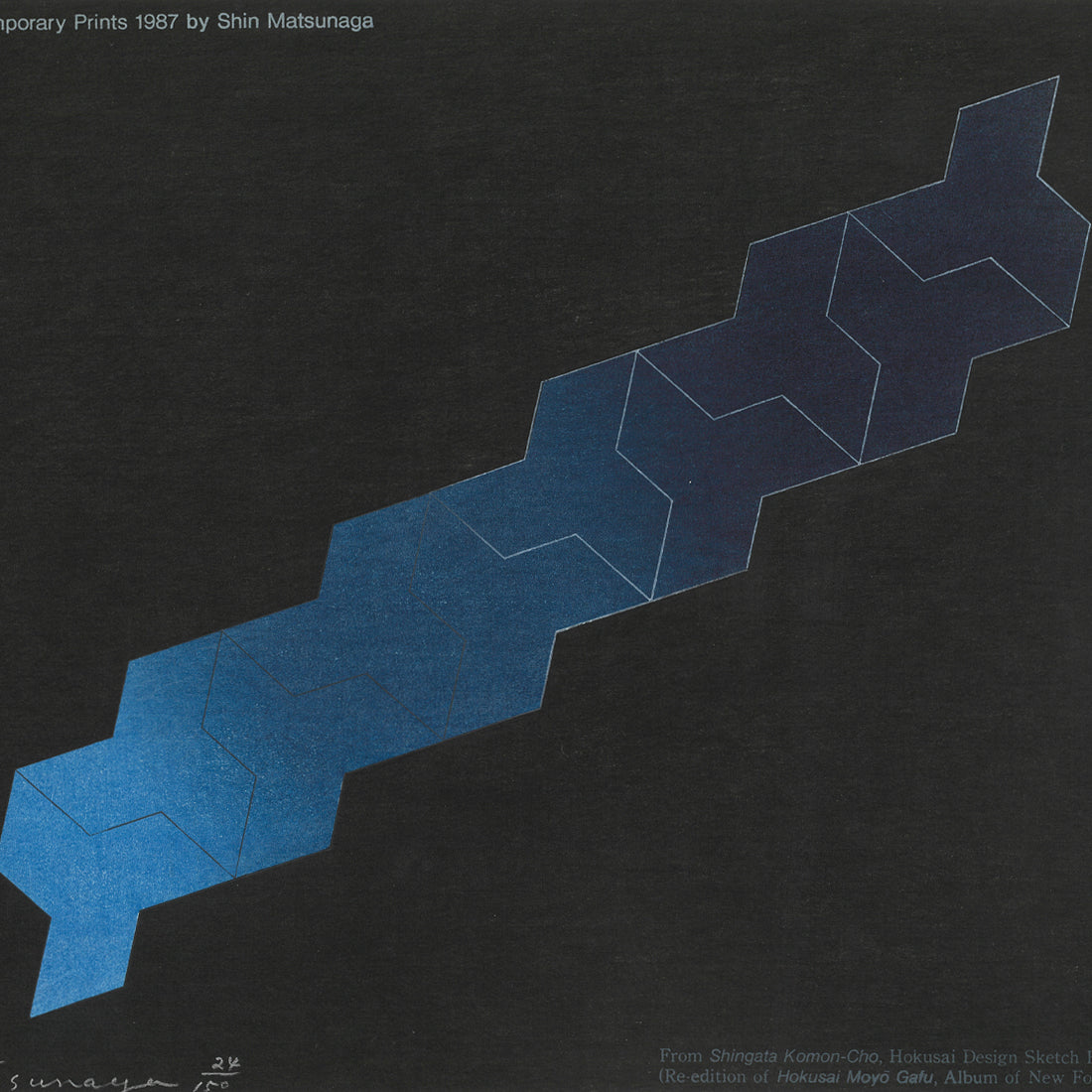
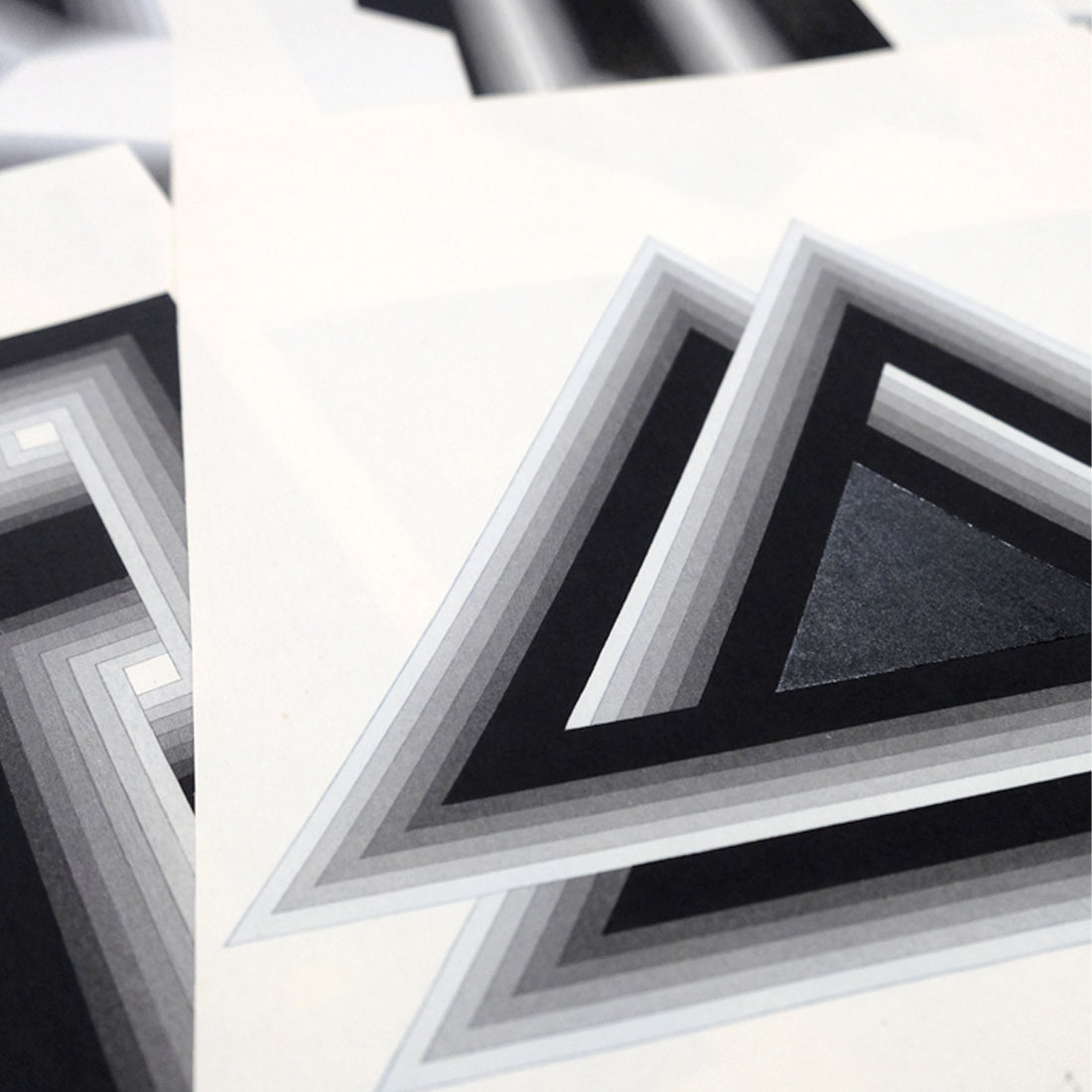
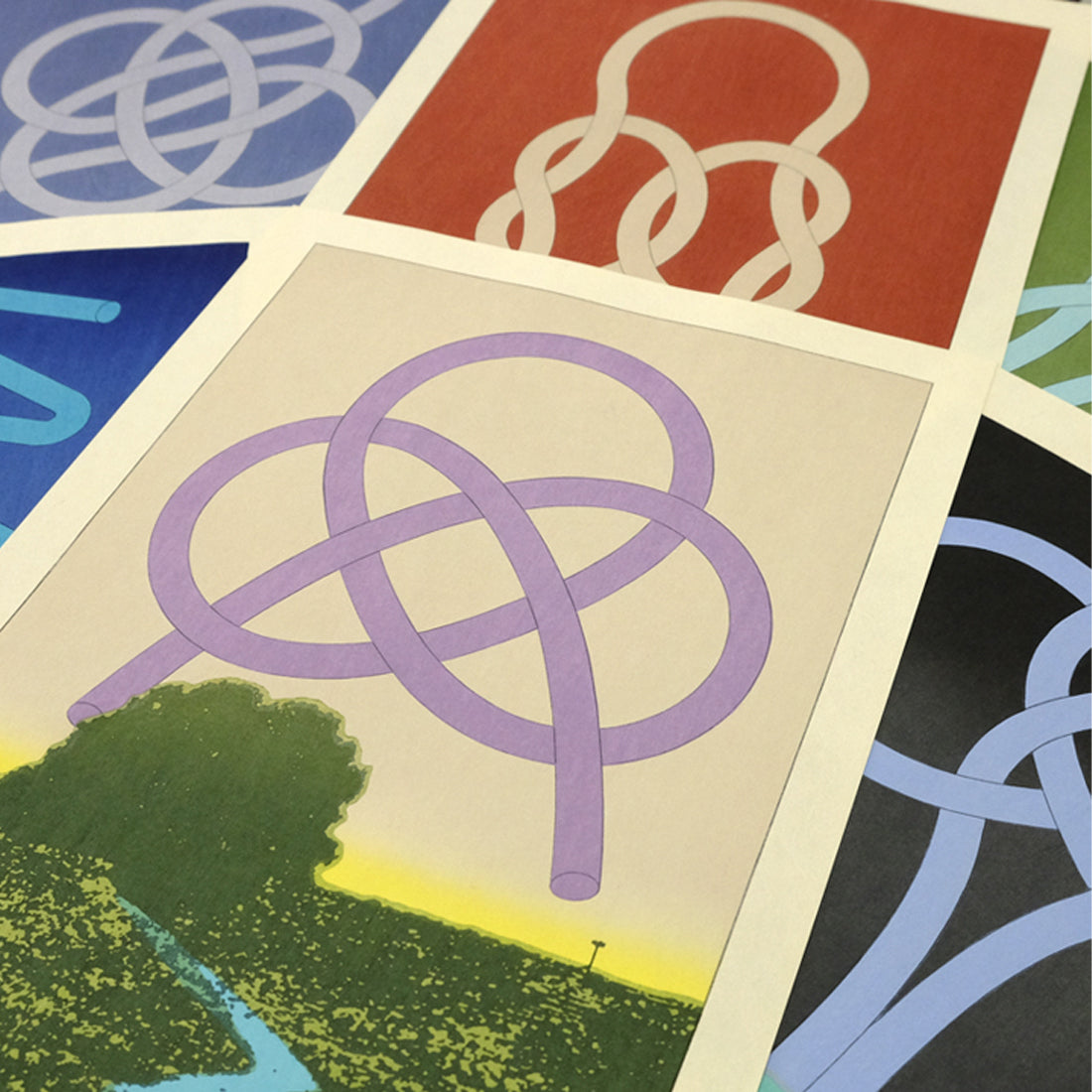
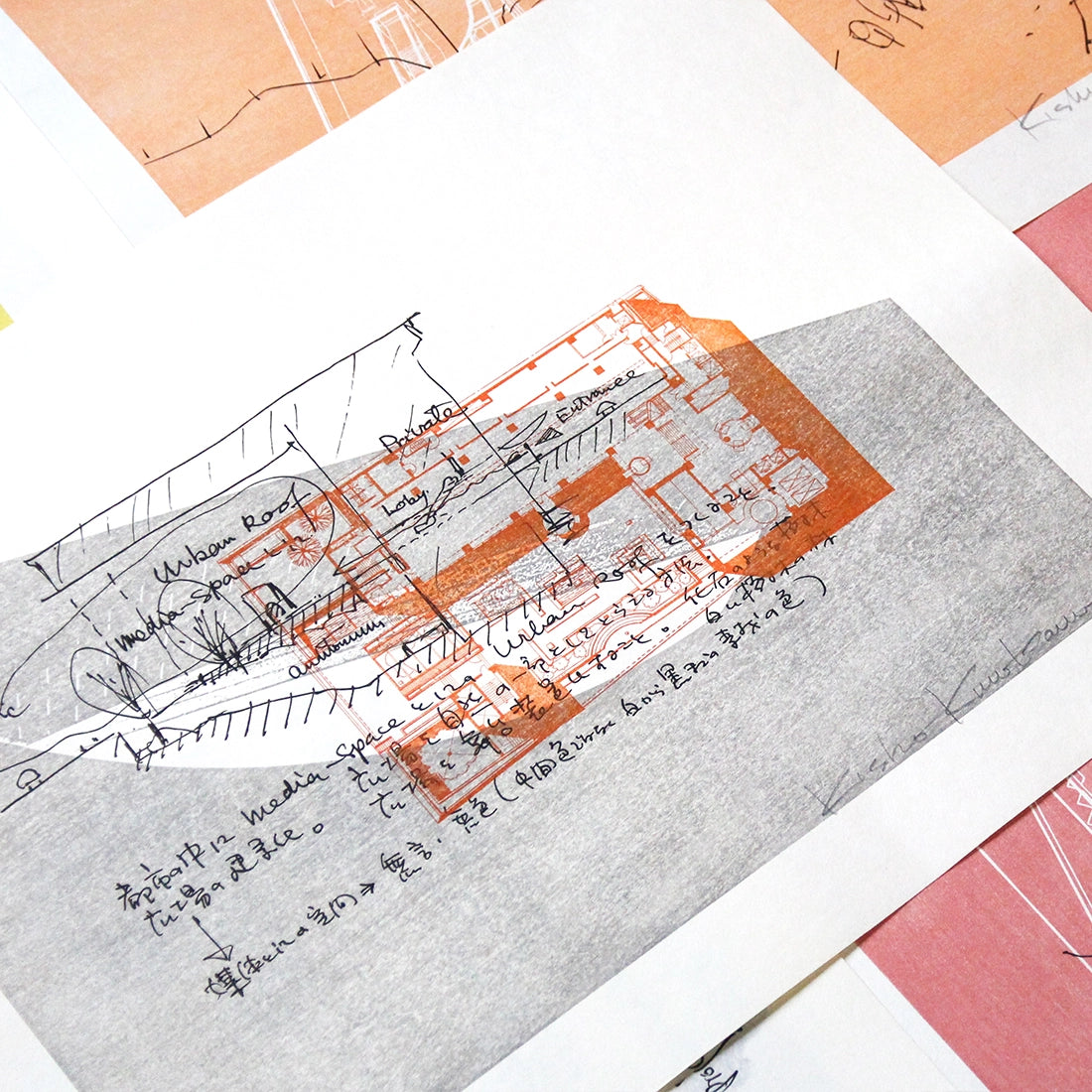
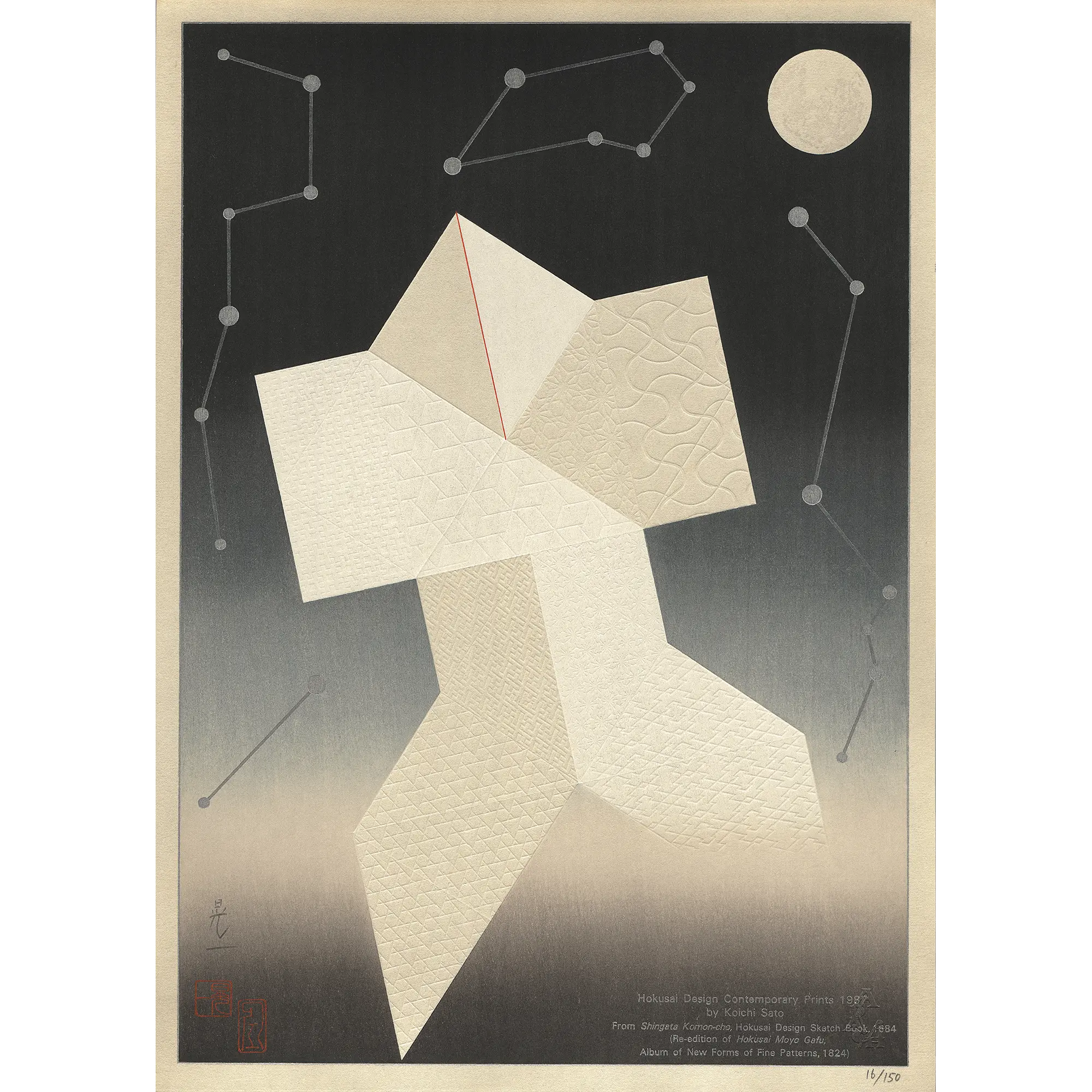
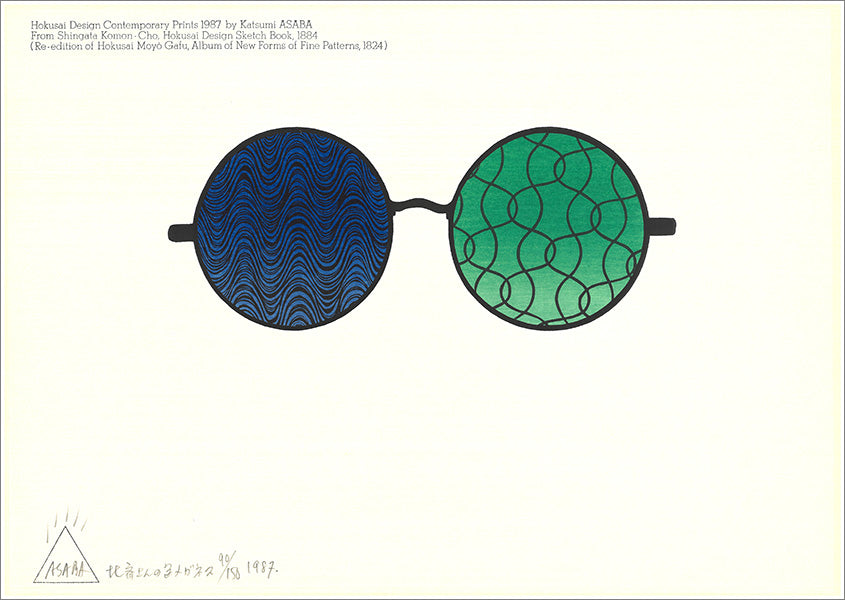
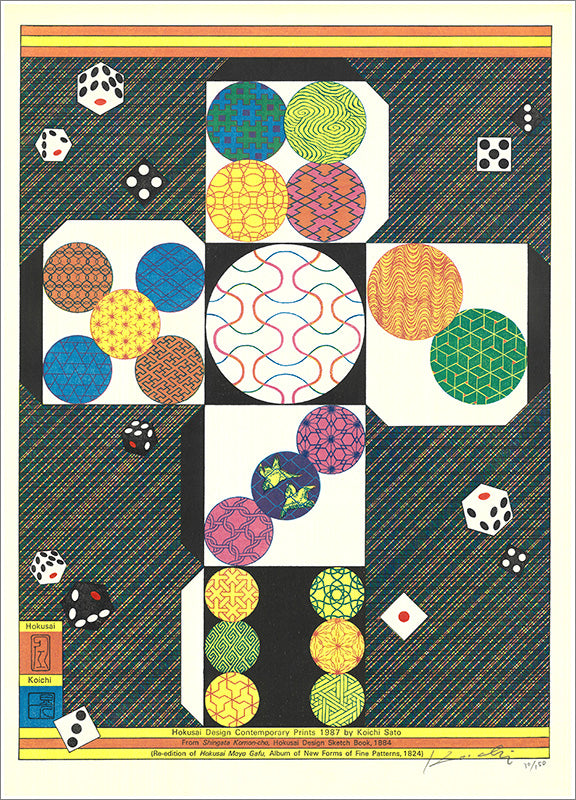
Contemporary Ukiyo-e Prints
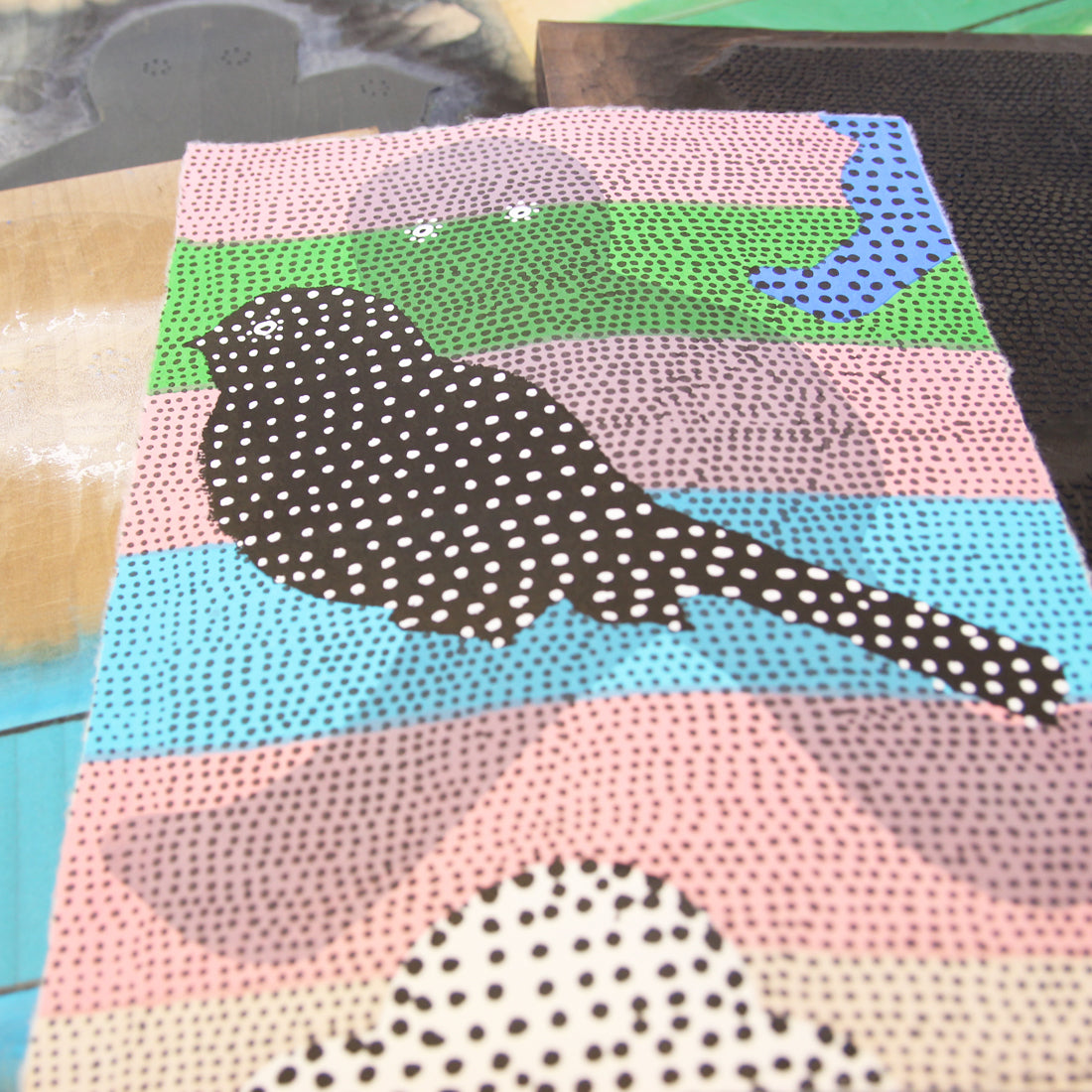
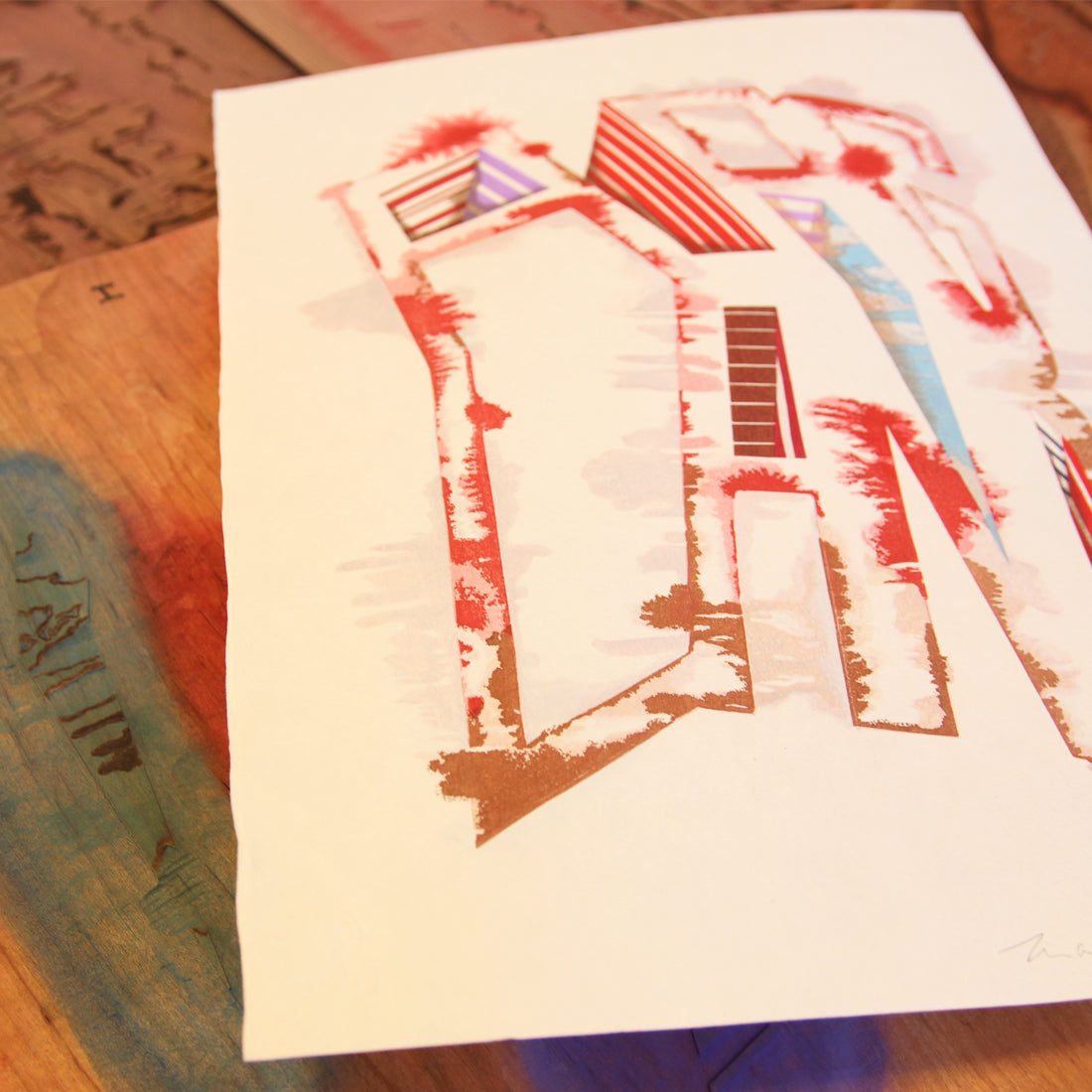
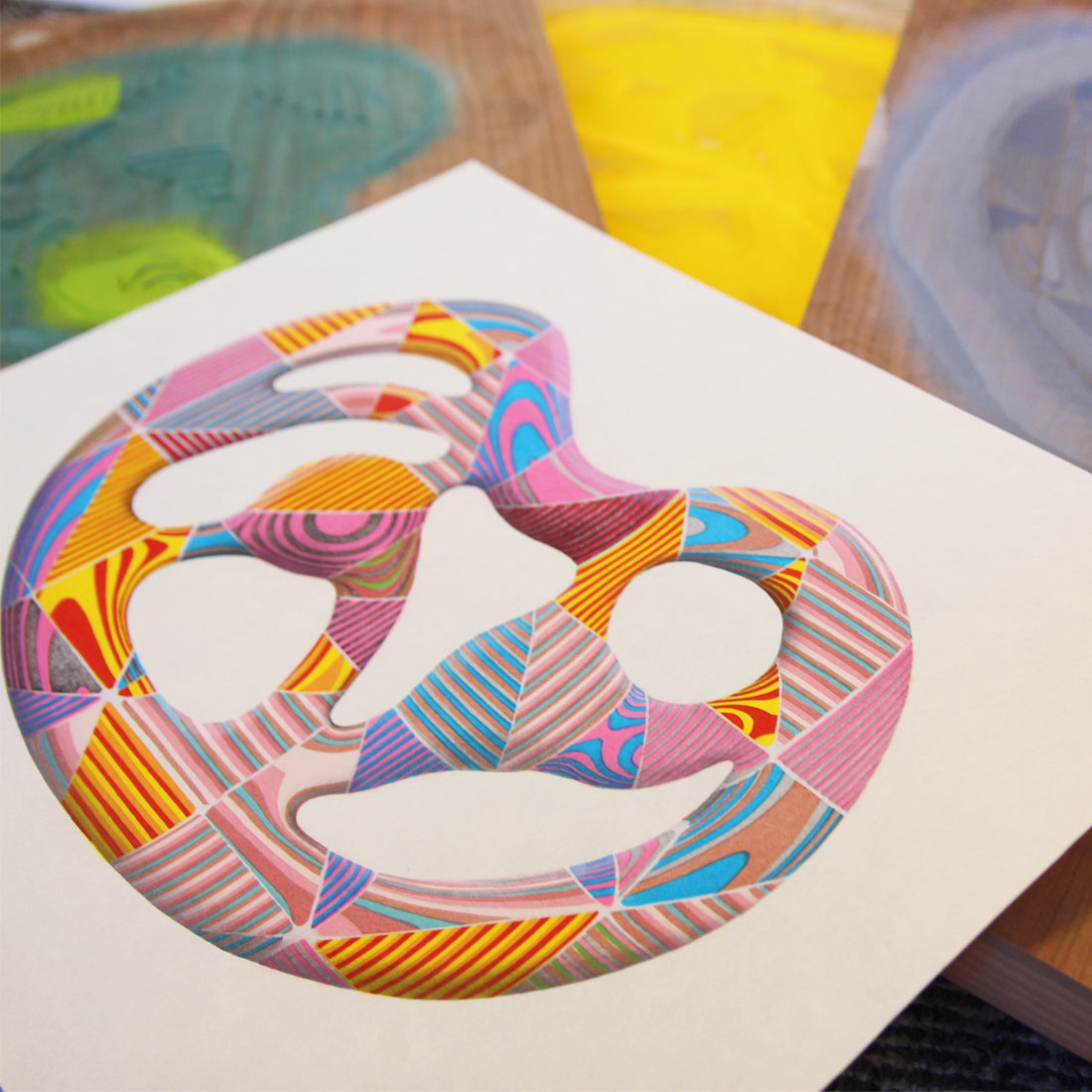
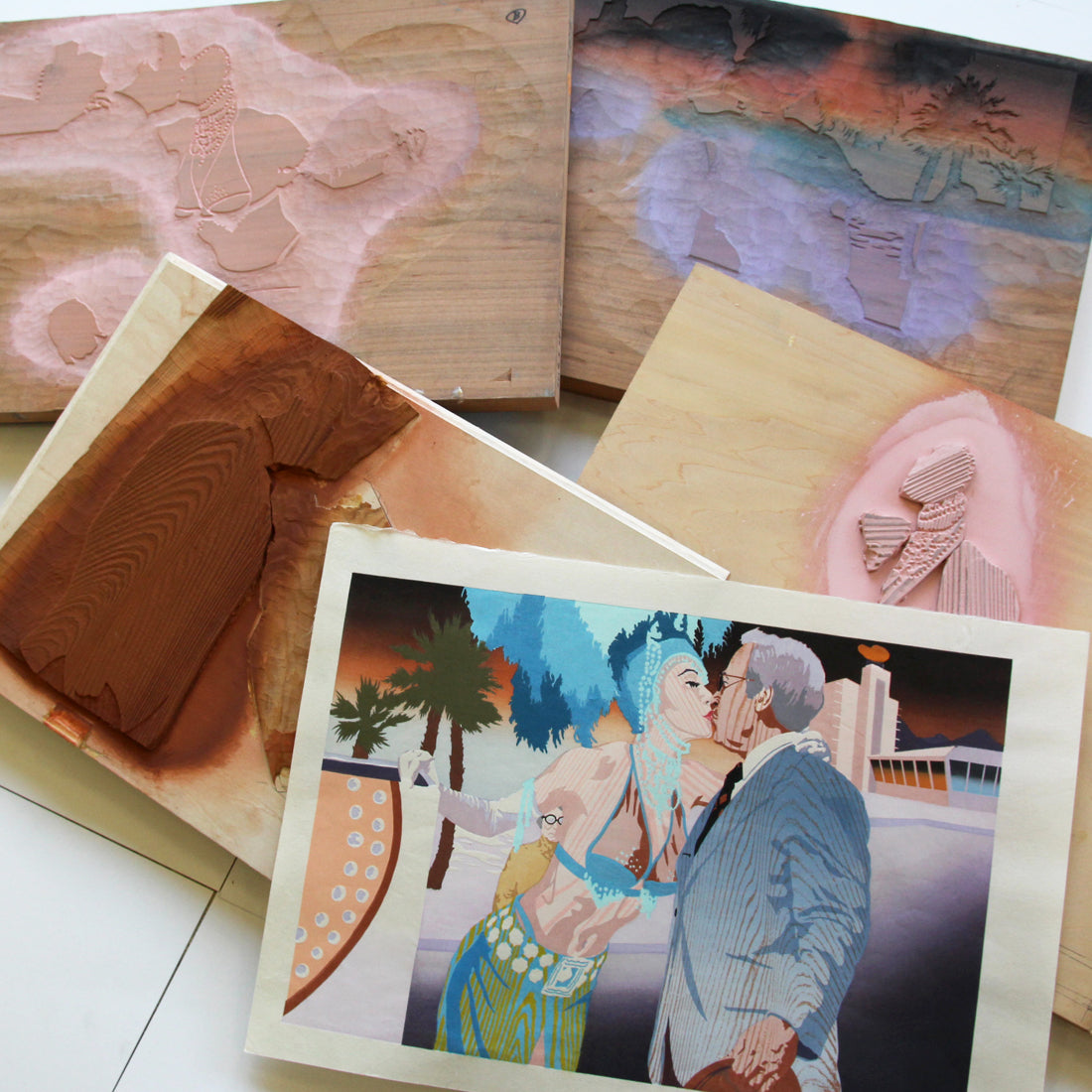
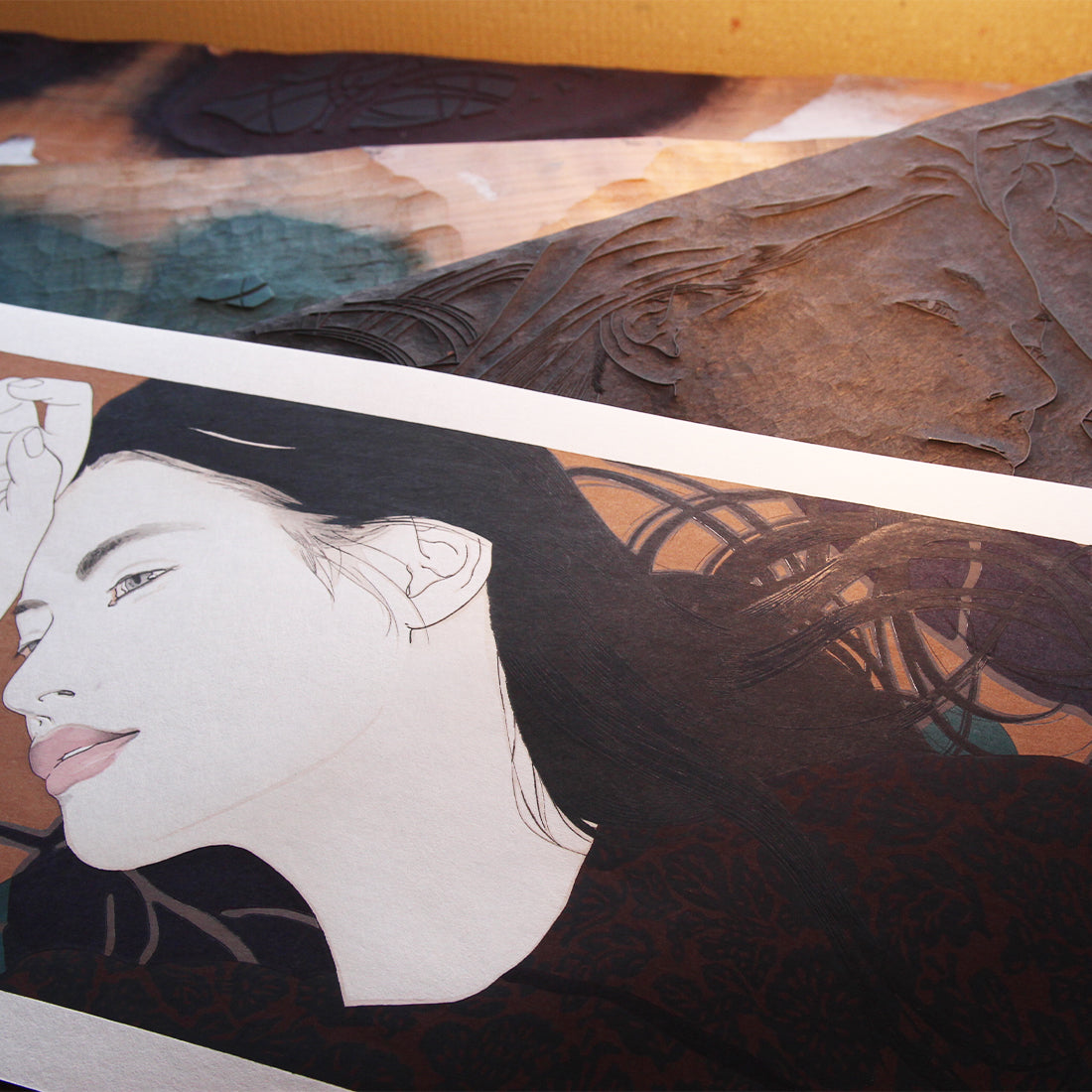
Created using traditional woodcut print techniques
The techniques of Japanese woodcut printing developed during the Edo period (1603-1868), giving rise to the dynamic and expressive art form known as ukiyo-e.
The word ukiyo, literally “floating world,” also means “of the current age,” and ukiyo-e prints were a form of media that vividly reflected their time, capturing the essence of Edo-period society.
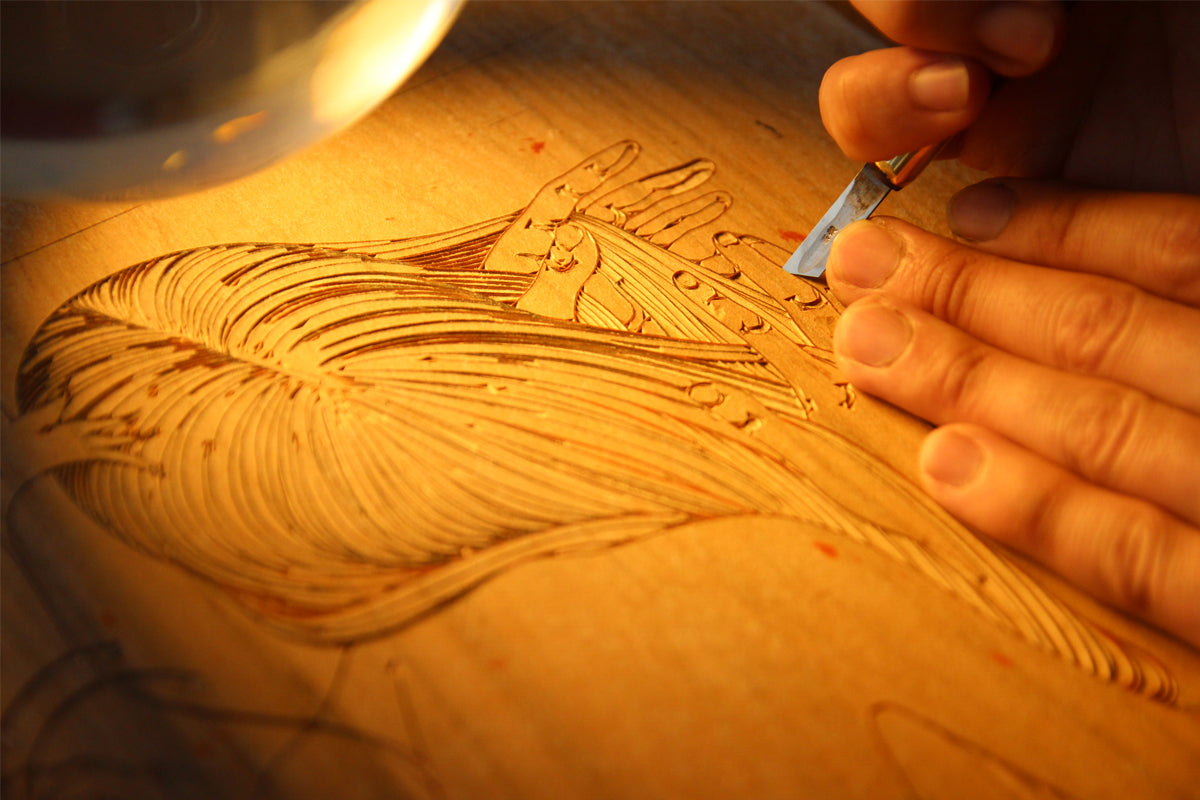
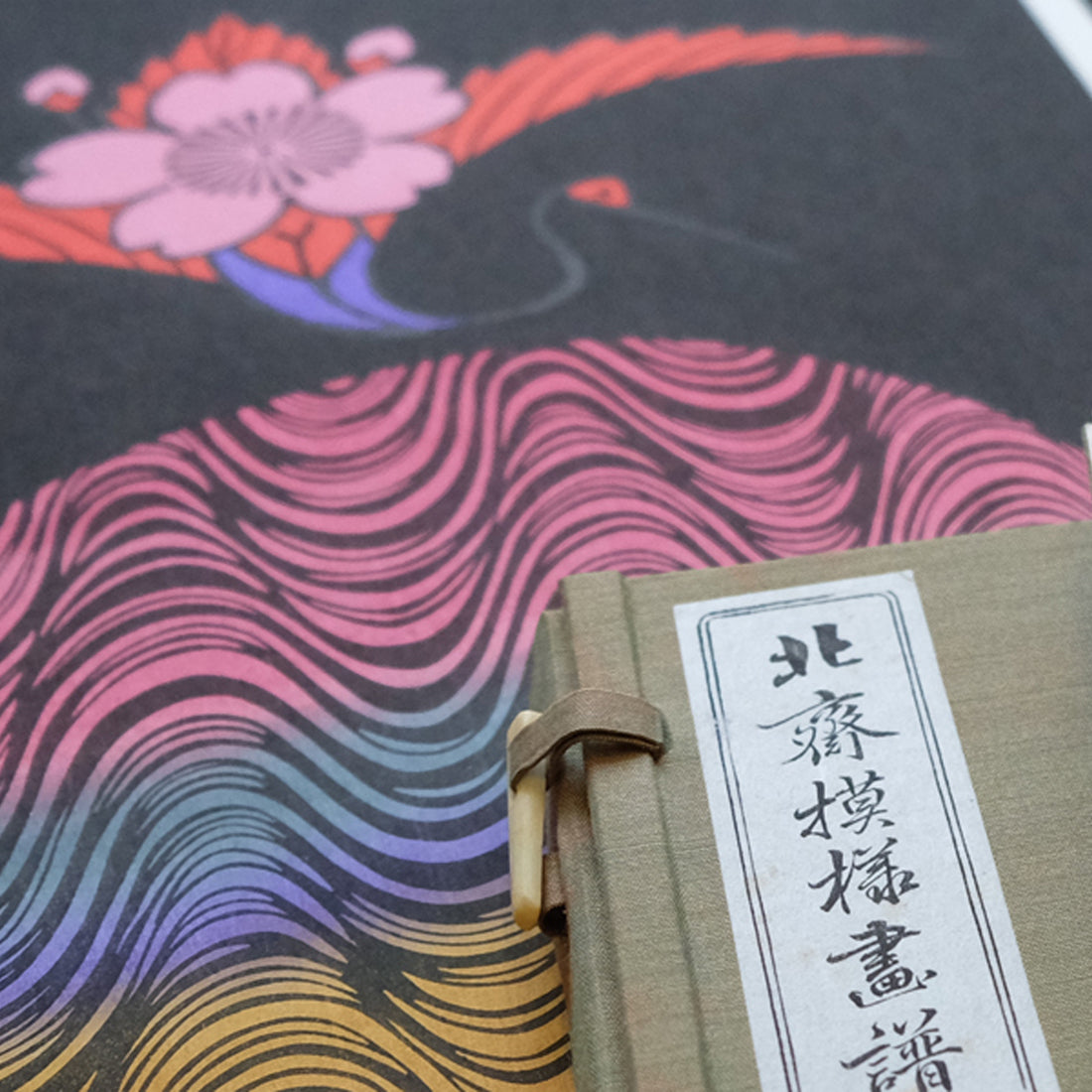
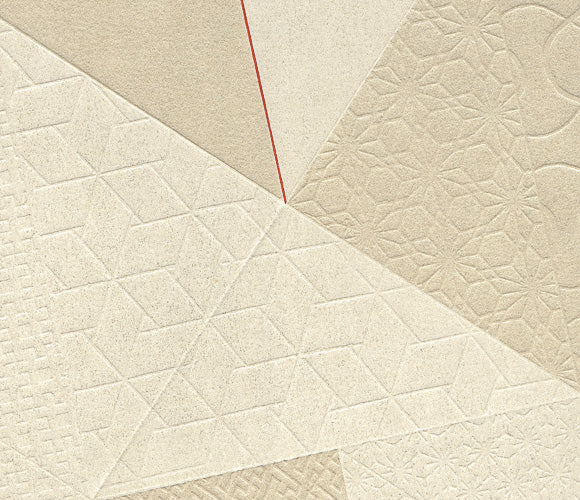
The highly refined woodcut techniques that produced the works of Hokusai and Hiroshige have been continuously passed down to contemporary artisans. The crisp lines and luminous colors, created using mountain cherry wood blocks and printed with sumi ink and water-based pigments on washi paper, are unparalleled and inimitable.
However, a long history alone is not enough to ensure that culture will be handed down. To keep these techniques alive and carry them forward to future generations, the Adachi Institute of Woodcut Prints continues to take on the challenge of creating contemporary ukiyo-e.

At the Adachi Institute of Woodcut Prints, we invite artists, designers, and creators from a wide range of fields to serve as the eshi (ukiyo-e print designers) of today, working with them to create new woodcut prints. They have responded in many different ways to the question, “What is a contemporary ukiyo-e, meaning a work that reflects our current age and society?”
With respect for traditional culture and freedom of imagination, these artists push the possibilities of traditional techniques in new directions. At the Adachi Institute of Woodcut Prints, we believe that carrying time-honored techniques into the future means putting them to work in collaboration with artists, and creating works that continue to move people today.








Recommended Items


Invalid password
Enter